
Home › Blog › Vietnamese flower culture
Vietnamese Flower Culture Saigon for Beginners: Learn at Our Workshops
By the Vietnam Flower Workshop team · 2026-11-06
Vietnamese flower culture in Saigon reflects centuries of Buddhist tradition, Tet celebrations, and marketplace heritage—now mixing with contemporary global design. At Vietnam Flower Workshop by Hoa Lang Thang, beginners learn hands-on in 2–4 hour sessions: stem conditioning, spiral hand-tie bouquet techniques, color symbolism (red for luck, yellow for wealth, white for respect), and how flowers survive Saigon's heat and humidity. Classes include imported and local blooms you take home. We teach in English for travelers and expats in both Hanoi and Ho Chi Minh City. No prior skill needed; expect to spend a few hours learning while creating a bouquet you'll arrange yourself. Ask us for a quote on WhatsApp to confirm availability and customize your session around rain season or festive dates. Ask for workshop dates on WhatsApp
What Makes Saigon's Flower Tradition Different from the West?
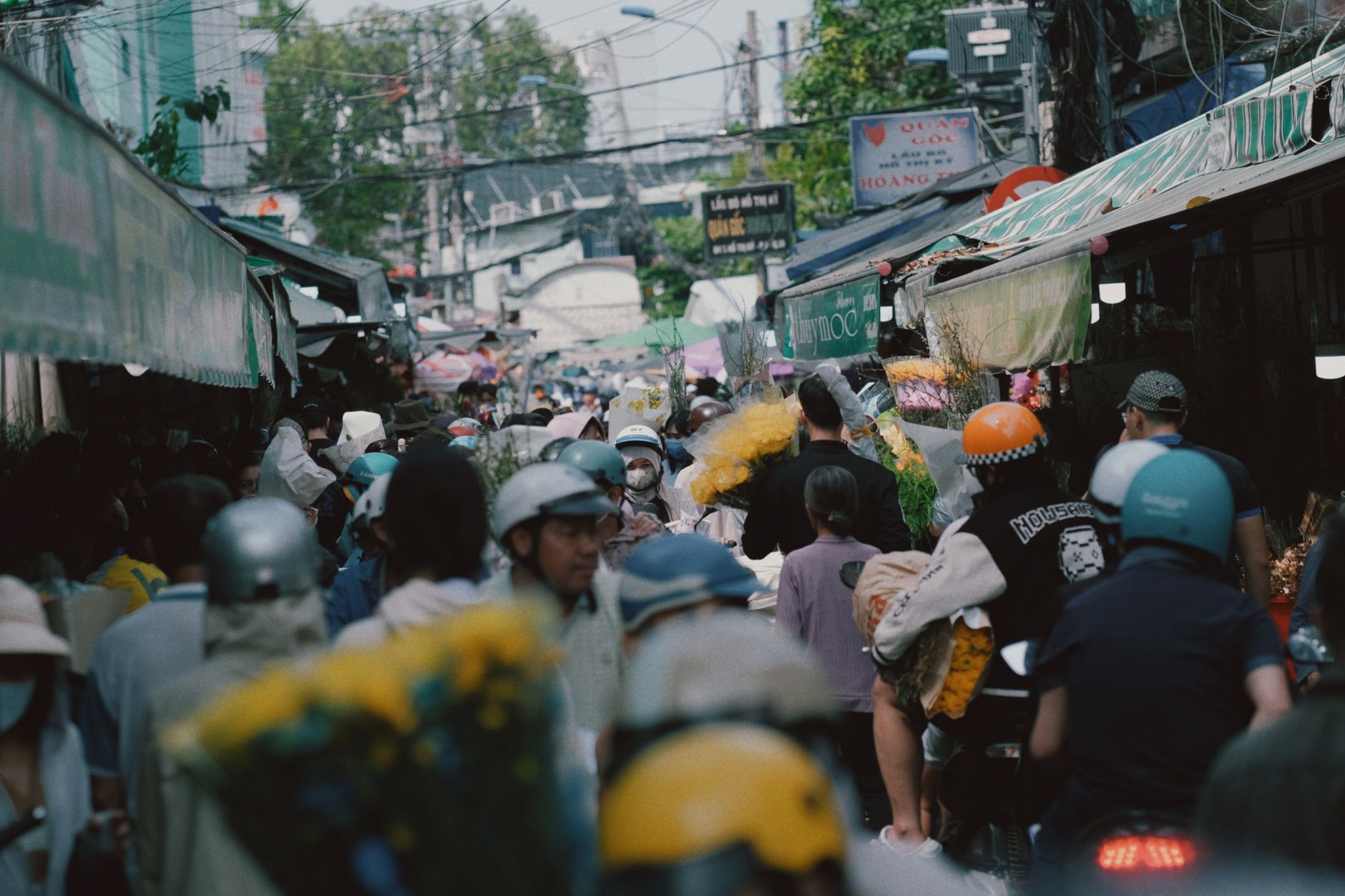
Saigon's flower culture emphasizes intention and occasion over pure aesthetics alone. Western bouquets often focus on color harmony and scale; Vietnamese arrangements center on symbolism, balance, and the reason for the gift. Red chrysanthemums mean devotion; pink roses signal gentle admiration; lotus (Vietnam's national flower) represents purity and new beginnings. Tet holidays spark demand for gold and red arrangements; Buddhist temple offerings follow strict color codes. Our workshops explore Vietnamese flower culture & market traditions so you understand why a florist chooses each stem, not just how to arrange it.
How Do We Keep Fresh Flowers Alive in Saigon's Heat?
Saigon's tropical climate—heat, humidity, and sudden rain—cuts flower life short if stems aren't conditioned properly. We teach you three non-negotiable steps in every session: (1) recut stems at 45° under running water to maximize water uptake; (2) remove all foliage below the waterline to stop bacterial rot; (3) use floral preservative (sugar + biocide) in your vase at home. Even hardy tropical blooms like orchids, anthurium, and celosia wilt in direct sun. We keep our workshop flowers in cool, humid storage and demonstrate how to mist arrangements without waterlogging them. Most students' bouquets last 5–7 days indoors; some stretched to two weeks when kept away from AC vents and windowsills. The heat means conditioning happens before you arrange—not after—so blooms arrive at your vase already hydrated and stable.
Why Do Beginners Struggle, and How Do We Fix It?
New florists stumble on three points: (1) grip tension—holding stems too tight crushes vascular tissue and ruins water uptake; (2) spiral angle—rotating the hand-tie at the wrong angle creates gaps instead of density; (3) color imbalance—placing all dark flowers on one side instead of scattering them. During our flower arranging classes, we spot these instantly. For grip tension, we ask you to hold your bouquet like a bird—firm enough it doesn't fall, loose enough it could breathe. For spiral, we slow the rotation to 15° increments and show you the X-pattern stems should follow. For color, we use a "three-point rule": place your focal flower (usually the largest), then skip two stems before placing the next matching bloom. Beginners who practice this checklist at home before their session learn twice as fast. We've found that 80% of struggle vanishes once you stop overthinking and trust your hands to find the rhythm.
What's the Difference Between a Workshop, a Course, and a Private Session?
| Format | Who It Fits | Duration & What You Learn | Why Choose It |
|---|---|---|---|
| Drop-in workshop | Travelers, expats, curious locals | 2–3 hours; one complete bouquet or box | See if floristry appeals; take home a finished gift |
| Private & couple sessions | Couples, small groups, corporate teams | 2–4 hours; customizable designs | Flexible dates; personal feedback; romantic or team-building focus |
| Floral design course | Serious learners, career explorers | 5–10 full sessions over weeks | Deep technique; seasonal design; portfolio building |
| Kids & family workshop | Families, school groups, under 16 | 1.5–2 hours; smaller, softer stems | Age-appropriate flowers; messier, playful approach; lasting memory |
| Seasonal workshops | Holiday planners, Tet prep | 2–3 hours; wreaths, boxes, temple offerings | Learn designs specific to Vietnamese festivals and climate challenges |
How Does Our Teaching Change for Kids, Groups, and Rain Season?
For kids (ages 5–14), we shorten sessions to 90 minutes max—young attention spans flag fast. We use shorter, softer stems (carnations, hypericum, solidago) that don't require force to bend or cut. We skip color theory lectures and focus on the magic of watching a bouquet come together. Parents often stay and make one too. Kids' bouquets are looser and messier—that's the point. We accept imperfection and celebrate bravery. Several family groups return year-round because the experience builds confidence and memories.
For groups (4–20 people), we split into pairs at workstations so everyone has hands-on time, not just watching. We prep stems in advance during busy seasons to save 30 minutes and keep energy high. Team-building groups join our dedicated team sessions so we can add gentle competitions (fastest bouquet, most balanced color, best wrapped gift) without pressure. Laughter and teamwork matter more than perfection.
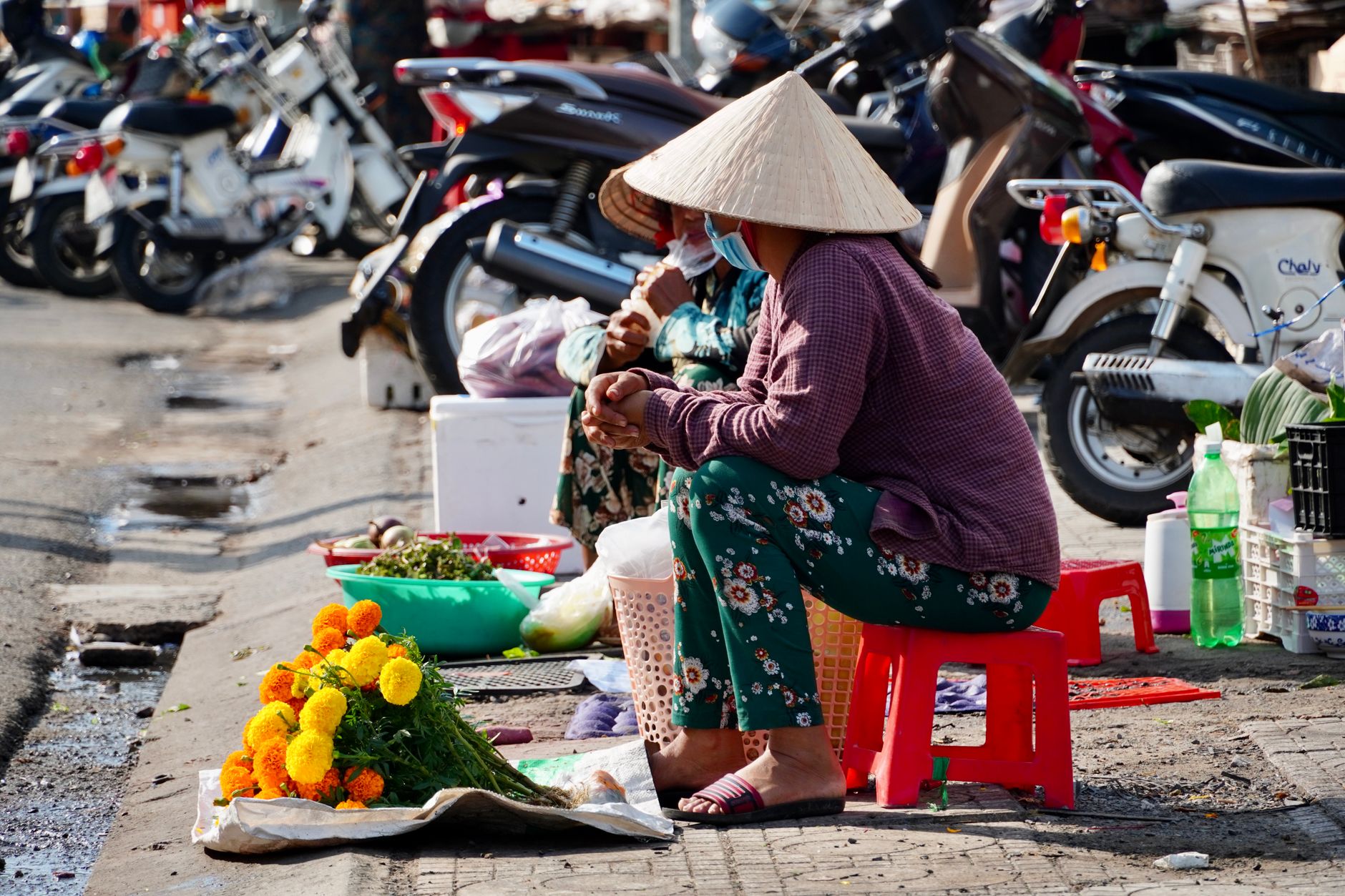
For rain season (May–September), humidity spikes and afternoon showers are common. We stock more dehydrating agents and use preserved flowers (like preserved eucalyptus) as filler to increase durability. We warn students that blooms will wilt faster at home if AC runs cold or windows stay open. We also move some sessions indoors away from windows, and we provide small umbrellas for the walk to your taxi. Rain doesn't cancel workshops—it just changes how we condition and store.
What Should You Check Before Booking a Workshop?
- Dates & time zones: We run sessions year-round in Hanoi and Ho Chi Minh City. Confirm your preferred date on WhatsApp; some workshops fill weeks ahead during Tet and Christmas.
- Language & comfort: All sessions taught in English for travelers and expats, but Vietnamese speakers are welcome too. Let us know your level so we match you with a time that fits.
- Allergies & physical needs: Some students have pollen sensitivities or limited hand strength. Tell us in advance so we pre-select hypoallergenic blooms or adjust grip techniques.
- Bouquet size & takeaway: Ask us for a quote on WhatsApp to confirm whether you'll make one large bouquet, a box, a wrapped gift, or multiple pieces. You take everything home.
- Add-ons: Interested in visiting a local flower market or trying a bouquet-making workshop instead of arranging? Combinations are possible—ask us.
How Do We Blend Tradition with Modern Technique?
Vietnamese florists honor temple aesthetics (vertical balance, odd numbers, slow reveals) while adopting Western spiral hand-ties and color theory. Our workshops show both. We teach the spiral because it creates density and movement—skills you'll use anywhere. But we also explain why a Tet arrangement uses three stems (lucky number) rather than five, and why gold and red dominate over pastels. You'll learn to make a gift bouquet and understand the cultural reason someone would choose it for a loved one. That blend—respecting heritage while gaining practical skill—is what draws both tourists and long-term expats back.
️ See how a class runs
Still not sure where to start?
First-timers often ask whether to book a general flower arranging class, a bouquet-making workshop, or a tourist workshop. The truth: all three teach you hands-on skills and take 2–3 hours. Bouquet workshops focus on hand-ties and wrapping; arranging classes cover vase design and mechanics; tourist workshops blend history, technique, and local market insight. Pick based on what you want to take home: a wrapped gift, a vase arrangement, or an experience plus a finished piece.
Ask for workshop dates on WhatsApp

FAQ
Do I need any experience to join a workshop?
No. Beginners are our main audience. We teach conditioning, spiraling, and color balance from scratch. Most students complete a full bouquet their first session.
What flowers are used? Are they imported or local?
Both. We use imported roses, hydrangeas, and eucalyptus alongside local orchids, anthurium, and tropical greenery. Seasonal availability changes the mix; ask us which blooms are fresh when you book.
How long does a bouquet last after I take it home?
5–7 days indoors in cool conditions with fresh water and preservative. Saigon's heat shortens life; air-conditioned rooms extend it. Direct sun and AC vents both speed wilting.
Can I book a private session for a proposal or special occasion?
Yes. Private and couple sessions are customizable. Tell us your story on WhatsApp, and we'll design a session around your moment—sometimes ending with a surprise arrangement or keepsake.
What's the difference between a workshop and a floral design course?
Workshops are 2–4 hours, one skill focus, one takeaway piece. Courses span 5–10 full sessions over weeks, cover seasonal design, portfolio building, and deeper technique. Choose a course if you're considering floristry as a career or hobby.
What if I can't make a scheduled workshop? Do you offer private bookings?
Yes. We offer private sessions year-round in Hanoi and Ho Chi Minh City. Ask us for availability and a quote on WhatsApp; we'll find dates that fit your schedule.
Ask for dates
Tell us the city, the date and how many people. We reply on WhatsApp in English with workshop options and a quote.
FAQ
Do I need any experience to join a workshop?
No. Beginners are our main audience. We teach conditioning, spiraling, and color balance from scratch. Most students complete a full bouquet their first session.
What flowers are used? Are they imported or local?
Both. We use imported roses, hydrangeas, and eucalyptus alongside local orchids, anthurium, and tropical greenery. Seasonal availability changes the mix; ask us which blooms are fresh when you book.
How long does a bouquet last after I take it home?
5–7 days indoors in cool conditions with fresh water and preservative. Saigon's heat shortens life; air-conditioned rooms extend it. Direct sun and AC vents both speed wilting.
Can I book a private session for a proposal or special occasion?
Yes. Private and couple sessions are customizable. Tell us your story on WhatsApp, and we'll design a session around your moment—sometimes ending with a surprise arrangement or keepsake.
What's the difference between a workshop and a floral design course?
Workshops are 2–4 hours, one skill focus, one takeaway piece. Courses span 5–10 full sessions over weeks, cover seasonal design, portfolio building, and deeper technique. Choose a course if you're considering floristry as a career or hobby.
What if I can't make a scheduled workshop? Do you offer private bookings?
Yes. We offer private sessions year-round in Hanoi and Ho Chi Minh City. Ask us for availability and a quote on WhatsApp; we'll find dates that fit your schedule.
More like this
Vietnamese flower culture
Vietnamese Flower Culture: What to Expect at a Hanoi Workshop
Vietnamese flower culture weaves ancient ritual, seasonal respect, and everyday beauty into a living practice that shapes how people celebrate, mourn, and connect. A workshop in Hanoi or Ho Chi Minh City reveals this firsthand—not as theory, but as skill you can use at home.
Vietnamese flower culture
Vietnamese Flower Culture for Beginners: What to Know
Vietnamese flower culture blends Buddhist symbolism, Lunar New Year tradition, and French colonial influence into a distinct aesthetic that beginners can learn through hands-on practice and market immersion.
Vietnamese flower culture
Vietnamese Flower Culture: Workshops & Traditions in Hanoi & HCMC
Vietnamese flower culture weaves centuries of symbolism—lotus for purity, chrysanthemums for longevity—into celebrations and daily life. We teach this living heritage through arranging workshops where travelers and expats craft authentic pieces using imported and local blooms.