
Home › Blog › Vietnamese flower culture
Quang Ba Flower Market Tour: Tools, Techniques & Insider Tips
By the Vietnam Flower Workshop team · 2026-11-06
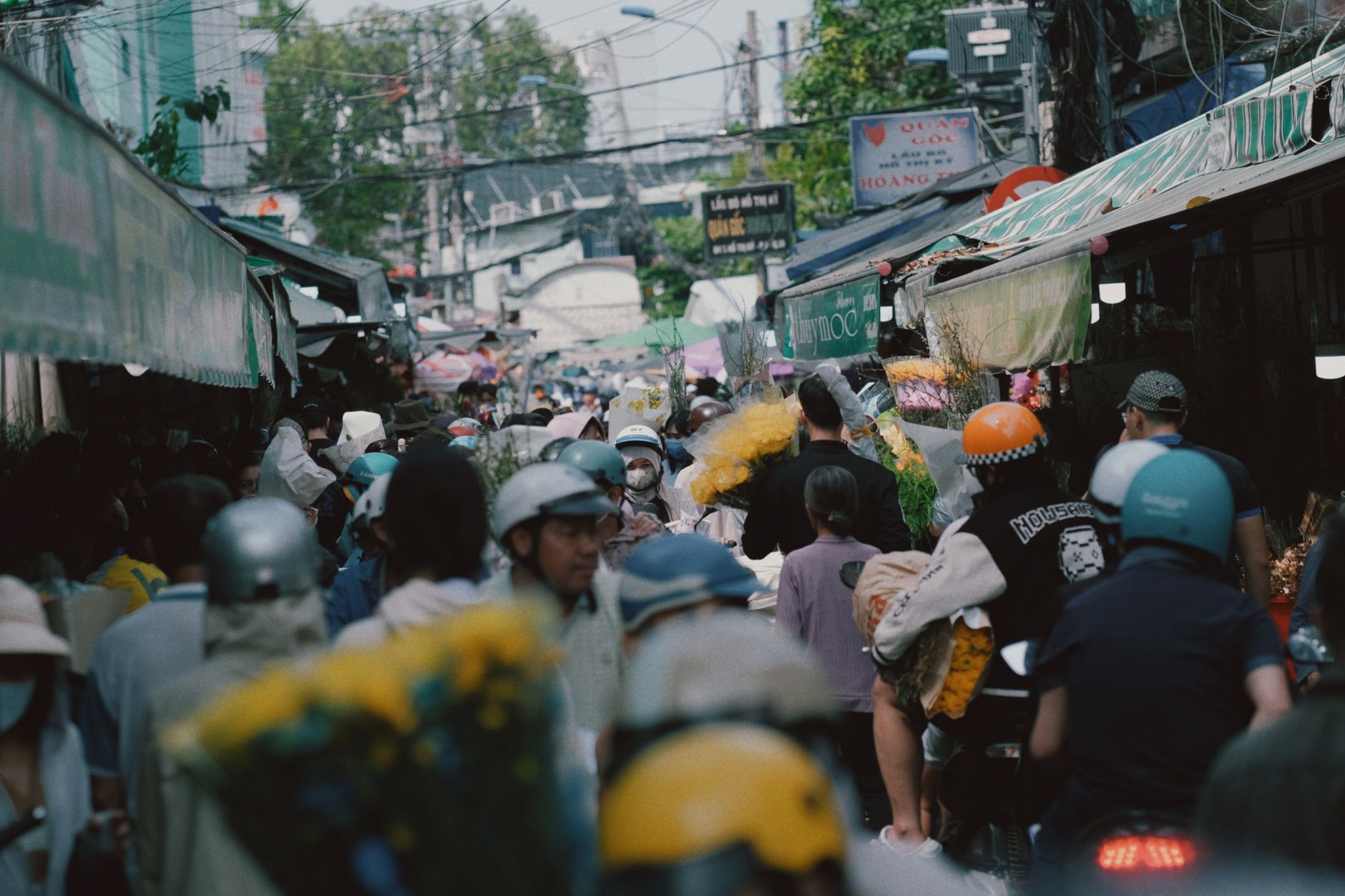
Quang Ba Flower Market opens pre-dawn (3–4 a.m.) and peaks by 6 a.m. in Hanoi's Red River District; entry is free but overwhelming without strategy. Florists arrive with pruning shears, hydration buckets, absorbent foam, and a mental map of reliable vendors. Our Vietnamese Flower Culture & Market Tour workshop walks you through live sourcing, negotiation rhythms, stem conditioning on-site, and heat survival tactics—all in English. Beginners struggle with vendor trust (prices shift hourly), choosing between wholesale damage and retail-wrapped stock, and keeping stems hydrated in tropical heat before transport. A market session runs 2–3 hours; many visitors combine it with a flower arranging class to use their purchases same-day. Budget depends on volume and flower type—ask us for a quote on WhatsApp. Without proper conditioning and shade, even premium stems wilt within 4 hours in Hanoi's heat. ️ See how a class runs | Ask for workshop dates on WhatsApp
What tools do you actually need at Quang Ba?
Pack a compact kit, not a cargo bag. Florists carry foldable pruning shears (8–10 inches, cuts clean through woody stems), a small block of floral foam (pre-soaked in a plastic bag), zip-lock bags for loose stems, and a collapsible bucket or water bottle. A towel absorbs sweat and mist; a notebook jots vendor names and prices. Most visitors forget a phone charger (sellers expect cash, cards rarely work), and many regret not bringing a small cooler or insulated bag. We recommend wearing closed-toe shoes (wet concrete, sharp debris) and a long-sleeved shirt despite heat (sun exposure and thorns). A headlamp or phone torch helps navigate shaded aisles before sunrise. Leave your large camera at the hotel—vendor etiquette forbids close-ups of displays without asking, and elbows in a pre-dawn crowd move faster than tourists with gear.
Why do stems die within hours of purchase?
Quang Ba's stems leave farms 12–24 hours before market arrival; they're already stressed. Heat accelerates water loss: at 32°C (90°F) with 70% humidity, unconditioned stems lose up to 30% of their water content per hour. Most vendors don't re-cut bases or crush stems—both essential for water uptake. You'll see bundled roses wrapped in plastic without air gaps; stems sweat, fungus spreads, and petals drop by noon. Damage isn't always visible: internal bruising from rough handling releases ethylene gas, which triggers premature aging. We teach on-site conditioning—re-cutting at a 45° angle, removing lower leaves, standing stems in cool water for 20 minutes—which extends vase life from 4 hours to 5–7 days. Wrapping stems in damp paper during transport slows water loss. Many florists buy extra stock knowing 10–15% will be unusable; don't expect wholesale perfection.
Ask for workshop dates on WhatsApp
How do you negotiate prices without being overcharged?
Vendors quote different prices to foreigners; research typical rates for your desired flowers before arriving. Ask three vendors the same question ("How much for 50 red roses?") and note the range. Prices drop 20–40% after 7 a.m. as vendors unload stock before transport back to cold storage. Buying in bulk (100+ stems per variety) gets discounts; single bunches cost more per stem. Never show large cash first—pay after agreeing price and inspecting quality. Speak slowly in simple Vietnamese phrases or use your phone's translation app; vendors respect courtesy. Some offer "mixed bundles" (mismatched grades) at lower rates—acceptable for workshops, risky for weddings. We see visitors overpay 50% by arriving at 5:30 a.m., grabbing the first pristine display, and leaving. Patience and politeness unlock better deals and insider vendor relationships that lead to reserved stock and early peeks at new arrivals.
What's the best technique to condition stems on-site?
Use a vendor's hose or a bucket of water you bring. Re-cut each stem 1–2 inches from the base using sharp pruning shears at a 45° angle—this exposes fresh cambium tissue and doubles water absorption. Remove leaves in the bottom 3–4 inches; they rot underwater and spread bacteria. For woody stems (roses, chrysanthemums, branches), crush the base gently with shear handles to split fibers—florists do this in seconds. Soak conditioning foam in cool water (not ice; it shocks vessels) for 3–5 minutes before packing it in your bag. Stand freshly cut stems upright in water for 15–20 minutes if time allows. Place a damp paper towel around bases before wrapping in paper or plastic; this slows transpiration during the ride home. Many beginners skip this step and arrive home with wilted stems—the difference is measurable and dramatic. We demonstrate this live during our market-focused workshop so you see stems revive in real time.
How does heat affect different flower types at Quang Ba?
| Flower | Heat tolerance | First sign of stress | Conditioning priority | Best time to buy |
|---|---|---|---|---|
| Roses | Moderate (2–4 hours) | Petal edges brown, center cone tightens | Re-cut + crush base | Before 6 a.m. |
| Chrysanthemums | High (4–6 hours) | Leaves wilt, petals feel papery | Remove lower leaves | Up to 8 a.m. |
| Orchids | High (6+ hours) | Roots shrivel, not petals | Soak roots 10 min. | Anytime (wrapped) |
| Carnations | Moderate (3–5 hours) | Stem ooze, petal bend inward | Remove nodes, foam soak | Before 7 a.m. |
| Dahlias | Low (1–3 hours) | Petal tips curl, stem becomes limp | Heavy conditioning, cool bag | Before 5:30 a.m. |
| Lilies | Moderate (2–4 hours) | Pollen stains petals, stem weakens | Remove pollen, re-cut | Before 6 a.m. |
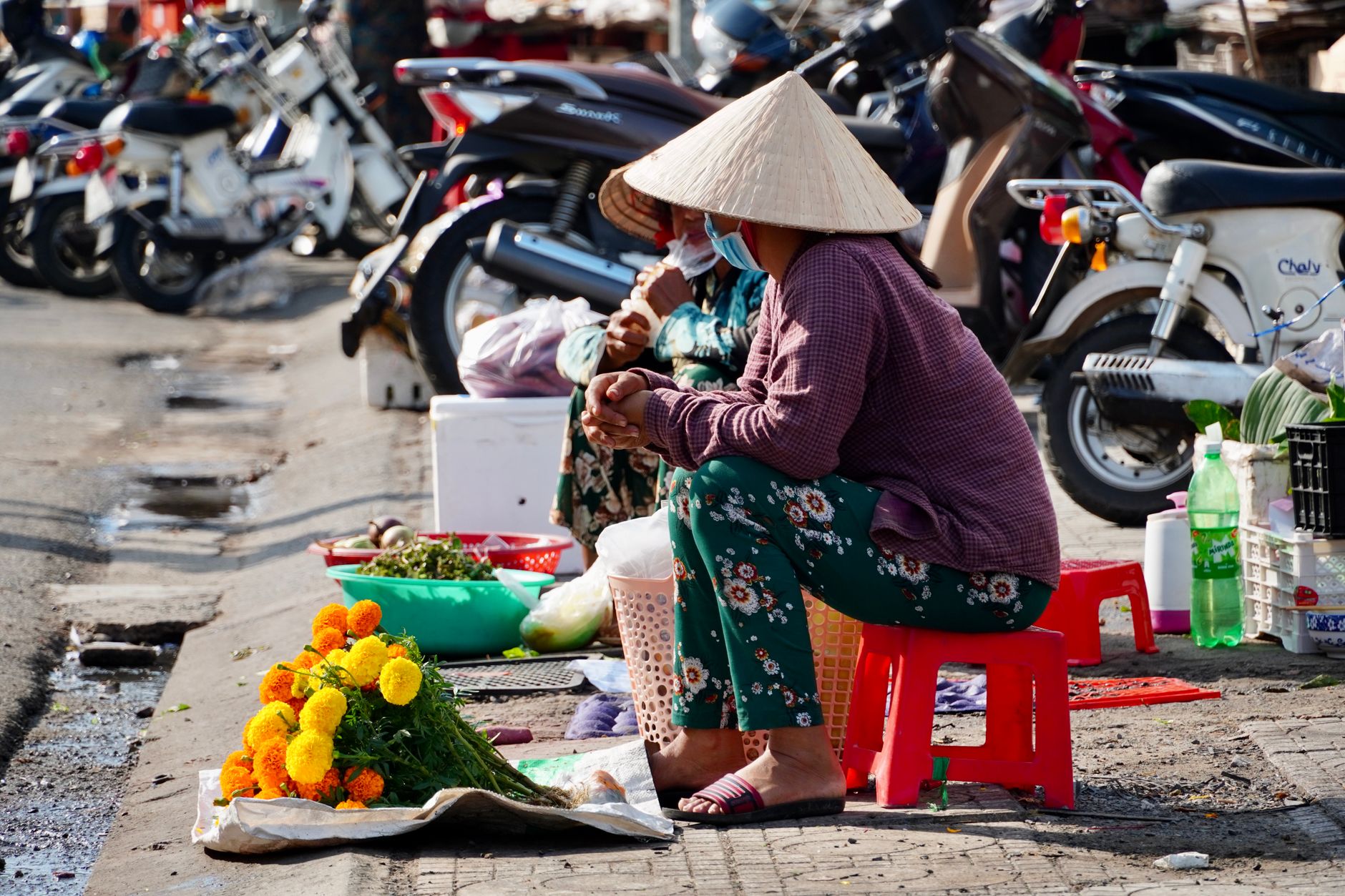
Tropical flowers (bird of paradise, ginger, anthurium) tolerate heat better because they evolve in humid climates. Temperate flowers (roses, dahlias, tulips) collapse fast. Timing matters: buying before 6 a.m. means cooler ambient temperature and fresher stock. Wrapping in paper (not plastic) before 8 a.m. prevents sweat condensation inside bundles. A cooler bag or shade reduces temperature by 5–10°C and noticeably extends vase life.
Can beginners really shop Quang Ba alone, or is a tour better?
Solo shopping works if you arrive after 7 a.m., accept paying 20–30% more per stem, and don't mind language barriers. A guide eliminates these costs, introduces you to trusted vendors, and teaches negotiation in real time. You'll learn which stalls specialize in wedding stock versus everyday bunches, how to spot disease or damage, and vendor names for future visits. Most first-timers waste 45 minutes navigating aisles, revisiting vendors, and second-guessing choices. Our market-focused flower culture workshop pairs the tour with same-day arranging in a comfortable studio—you condition your own purchases and create a hand-tied bouquet or design piece using what you bought. This transforms a photo-op into a skill-building experience. Solo visits are valid if you're comfortable with chaos; a guided session is smarter if you want to actually understand the market and practice floristry techniques.
What to check before you shop Quang Ba
- Vendor reputation: Ask your guesthouse staff or tour guide which stalls have consistent quality. Word-of-mouth is more reliable than appearance.
- Stem condition: Pinch a test rose or chrysanthemum stem. It should feel firm, not hollow or spongy. Brown, wet bases signal bacterial rot.
- Leaf health: Green, crisp leaves mean recent harvest. Yellowing or soft leaves suggest age or poor storage.
- Petal feel: Slight firmness is good; paper-thin or very soft means stress or damage. Avoid stems with any brown petal edges.
- Water smell: Fresh water smells clean. Cloudy, odorous water in vendor buckets indicates high bacterial load—swap containers or re-condition at home immediately.
- Price written down: Don't rely on verbal quotes. Confirm per stem and total before handing over cash.
- Transport time: If home is more than 30 minutes away, budget extra conditioning time and bring a cooler or damp cloth wrap.
Ask for workshop dates on WhatsApp
Ready to turn your Quang Ba haul into a masterpiece?
Shopping alone is fun; learning floristry in the same session is transformative. We offer flower arranging classes where you condition and design with your market purchases, private and couple sessions for personalized guidance, and team-building workshops that combine market exploration with group arranging. Each workshop is taught in English and tailored to your interests—whether you're a traveler on a short visit, a couple seeking a memorable activity, or someone diving deeper into floral design. Beginners often fear they'll "ruin" expensive flowers; in reality, mistakes are where learning happens. We've seen tourists buy premium stock at Quang Ba and transform it into stunning arrangements within 2 hours of instruction.

FAQ
What time should I arrive at Quang Ba to avoid tourist crowds and get the best flowers?
Arrive between 4:30–5:30 a.m. for peak freshness and before 90% of vendors have sold out their premium stock. After 8 a.m., remaining stems are typically heat-stressed or lower grade. Earlier is better, but vendors appreciate respectful browsing over rushed crowds. Bring a torch and wear comfortable, closed-toe shoes.
Can I buy just 5–10 stems, or do vendors only sell in bulk bunches?
Most vendors sell in bunches of 20–50 stems per variety; individual stems aren't common. You can negotiate smaller quantities (e.g., 1 bunch instead of 2), but per-stem cost rises 15–25%. Mixing varieties from multiple vendors is normal and adds character to arrangements.
How long can I keep Quang Ba flowers in a vase if I condition them properly?
With immediate on-site conditioning (re-cutting, leaf removal, foam soak) and cool storage, tropical varieties last 5–7 days; temperate flowers (roses, dahlias) last 5–6 days. Neglecting conditioning cuts vase life to 1–3 days in Hanoi's heat. Room temperature, fresh water changes every two days, and stem re-cuts every three days extend longevity further.
Is Quang Ba safe for solo travelers, especially women, at 4 a.m.?
The market is well-lit, bustling, and monitored by vendors and police. Solo travelers (any gender) are common. Stay aware of your bag and money. Meet a friend or join an organized tour if you prefer company. Avoid dark side alleys; stick to main vendor rows.
Do vendors speak English, and how do I communicate if I don't speak Vietnamese?
Most vendors speak minimal English; Vietnamese or translation apps work best. Showing photos of desired flowers, using hand gestures, and writing numbers for prices are standard. Our guided market workshop includes translation support and cultural context—many solo visitors find this invaluable for confidence and fair pricing.
What should I do if I buy flowers at Quang Ba but don't have a vase or arranging supplies at my hotel?
Pack a reusable water bottle (doubles as a vase temporarily), ask your hotel's front desk for a glass or jug, or join our same-day arranging class where we provide all vessels and tools. Many hotels can store conditioned stems in a fridge overnight if you ask nicely.
Can children join the Quang Ba market tour, or is it too early and crowded?
Children age 6+ usually enjoy the sensory experience, but 4 a.m. starts and crowds require comfort with early mornings and physical closeness. Our kids and family workshop offers age-appropriate market exploration or studio-based arranging. Families often prefer the studio session with purchased flowers instead of the pre-dawn market push.
How much should I expect to spend on flowers at Quang Ba compared to retail shops?
Wholesale prices are 40–60% lower than retail florist shops per stem. Beginner florists typically spend less at Quang Ba per arrangement but buy higher volumes. A mixed bouquet for yourself might cost half of a retail version. Ask us for a quote on WhatsApp to compare your own project against typical market rates and our workshop pricing.
Ask for dates
Tell us the city, the date and how many people. We reply on WhatsApp in English with workshop options and a quote.
FAQ
What time should I arrive at Quang Ba to avoid tourist crowds and get the best flowers?
Arrive between 4:30–5:30 a.m. for peak freshness and before 90% of vendors have sold out their premium stock. After 8 a.m., remaining stems are typically heat-stressed or lower grade. Earlier is better, but vendors appreciate respectful browsing over rushed crowds. Bring a torch and wear comfortable, closed-toe shoes.
Can I buy just 5–10 stems, or do vendors only sell in bulk bunches?
Most vendors sell in bunches of 20–50 stems per variety; individual stems aren't common. You can negotiate smaller quantities (e.g., 1 bunch instead of 2), but per-stem cost rises 15–25%. Mixing varieties from multiple vendors is normal and adds character to arrangements.
How long can I keep Quang Ba flowers in a vase if I condition them properly?
With immediate on-site conditioning (re-cutting, leaf removal, foam soak) and cool storage, tropical varieties last 5–7 days; temperate flowers (roses, dahlias) last 5–6 days. Neglecting conditioning cuts vase life to 1–3 days in Hanoi's heat. Room temperature, fresh water changes every two days, and stem re-cuts every three days extend longevity further.
Is Quang Ba safe for solo travelers, especially women, at 4 a.m.?
The market is well-lit, bustling, and monitored by vendors and police. Solo travelers (any gender) are common. Stay aware of your bag and money. Meet a friend or join an organized [tour](/vietnamese-flower-culture) if you prefer company. Avoid dark side alleys; stick to main vendor rows.
Do vendors speak English, and how do I communicate if I don't speak Vietnamese?
Most vendors speak minimal English; Vietnamese or translation apps work best. Showing photos of desired flowers, using hand gestures, and writing numbers for prices are standard. Our guided [market workshop](/vietnamese-flower-culture) includes translation support and cultural context—many solo visitors find this invaluable for confidence and fair pricing.
What should I do if I buy flowers at Quang Ba but don't have a vase or arranging supplies at my hotel?
Pack a reusable water bottle (doubles as a vase temporarily), ask your hotel's front desk for a glass or jug, or join our [same-day arranging class](/flower-arranging-class) where we provide all vessels and tools. Many hotels can store conditioned stems in a fridge overnight if you ask nicely.
Can children join the Quang Ba market tour, or is it too early and crowded?
Children age 6+ usually enjoy the sensory experience, but 4 a.m. starts and crowds require comfort with early mornings and physical closeness. Our [kids and family workshop](/kids-and-family) offers age-appropriate market exploration or studio-based arranging. Families often prefer the studio session with purchased flowers instead of the pre-dawn market push.
How much should I expect to spend on flowers at Quang Ba compared to retail shops?
Wholesale prices are 40–60% lower than retail florist shops per stem. Beginner florists typically spend less at Quang Ba per arrangement but buy higher volumes. A mixed bouquet for yourself might cost half of a retail version. Ask us for a quote on WhatsApp to compare your own project against typical market rates and our workshop pricing.
More like this
Vietnamese flower culture
Cultural Workshops Saigon: Flower Classes & Team Building
Saigon's cultural workshop scene includes flower arranging, hand-tied bouquets, and team-building sessions taught in English by real florists. We run sessions for tourists, expats, families, and corporate groups year-round, adapting to the tropical heat and rainy season.
Vietnamese flower culture
Vietnamese Flower Culture Near Saigon: Learn & Celebrate Locally
Vietnamese flower culture near Saigon is alive in daily altars, Tet celebrations, and family gatherings—and you can learn it directly through workshop experiences that connect you to local growers, techniques, and meanings.
Vietnamese flower culture
Vietnamese Flower Culture Near Ho Chi Minh City: Learn & Shop
Vietnamese flower culture thrives in Ho Chi Minh City through centuries-old markets, seasonal rituals, and now accessible workshops where travelers learn to arrange lotus, chrysanthemums, and tropical blooms like locals do.