
Home › Blog › Vietnamese flower culture
Quang Ba Flower Market Tour Hanoi: Guide for Beginners
By the Vietnam Flower Workshop team · 2026-11-06
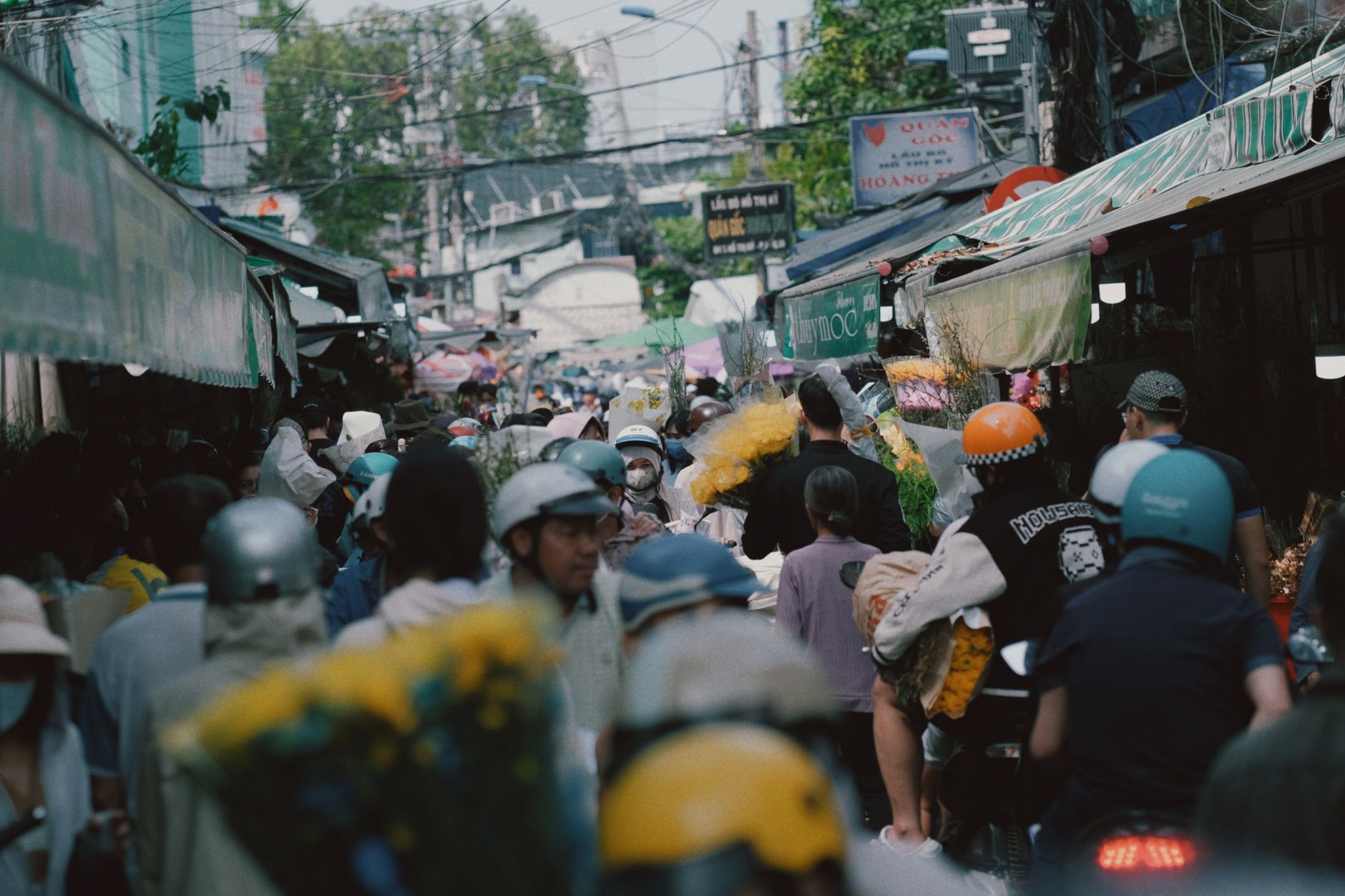
Quang Ba Flower Market (Chợ Hoa Quang Ba), located in Hanoi's Old Quarter near the Red River, opens daily before 6 a.m. and peaks until 10 a.m. Beginners should expect a chaotic wholesale environment where vendors sell flowers by the bunch or box—not retail bouquets. Entry is free; expect to walk narrow aisles, haggle gently, and buy in volume (minimum 10–20 stems per species). The market floods with fresh tropical orchids, chrysanthemums, gladioli, and seasonal Vietnamese blooms at wholesale prices, though as a tourist without trade connections, you'll pay slightly above grower rates. We recommend visiting with a guide or joining Vietnam Flower Workshop by Hoa Lang Thang's curated market tours to decode what you're seeing and meet vendors directly. Best time: 5–7 a.m. on weekdays; avoid weekends when it's packed and less authentic. Bring cash (Vietnamese dong), wear closed shoes, and come hungry—food vendors line the perimeter. --- ️ See how a class runs
What exactly is Quang Ba Flower Market, and why visit as a beginner?
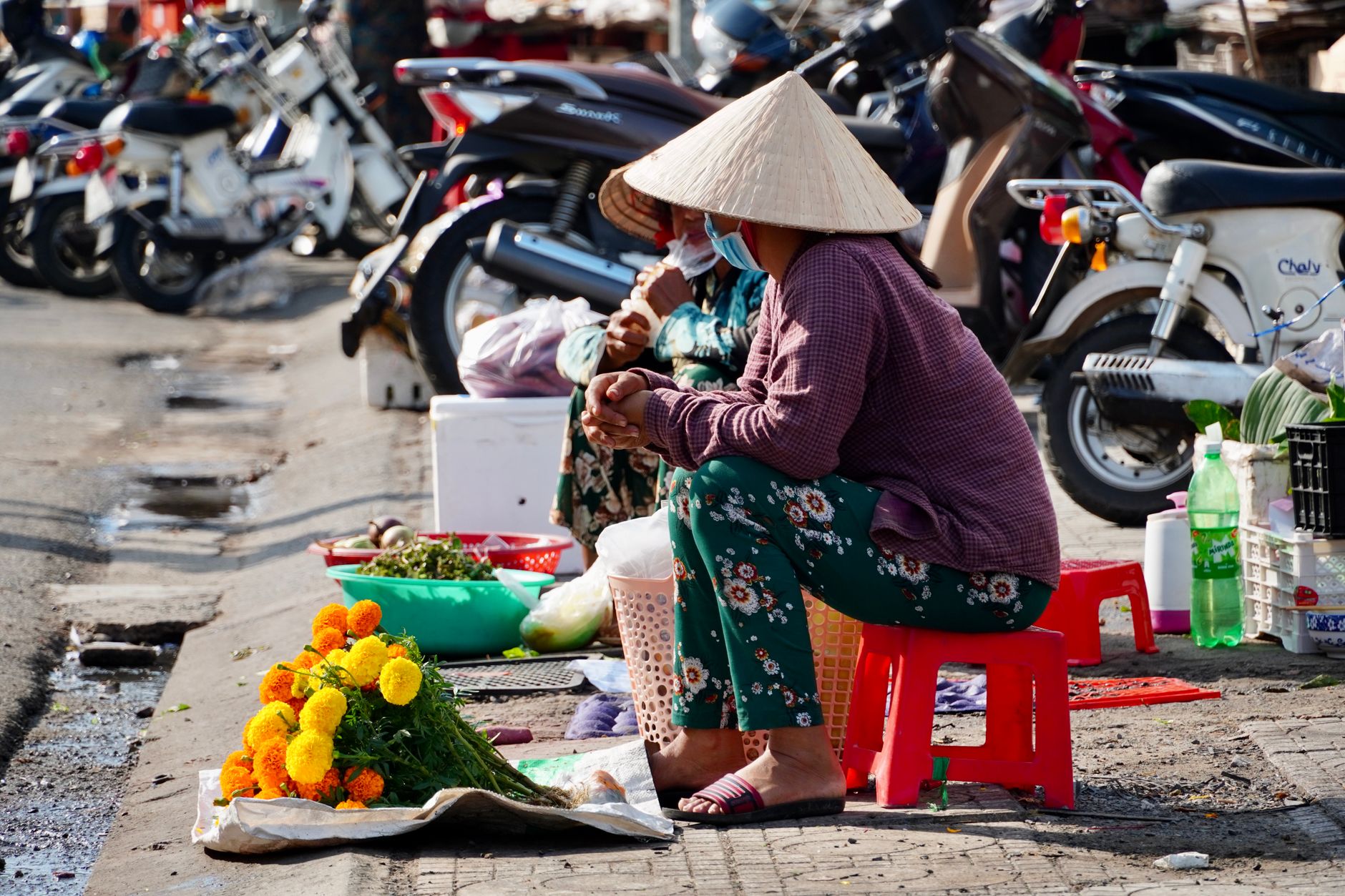
Quang Ba is Hanoi's wholesale flower distribution hub, not a retail marketplace. Flowers arrive nightly from growers across northern Vietnam and China; vendors sort by species, quality, and color before sunrise. As a beginner visitor, you'll witness the mechanics of how commercial flowers reach florists and decorators—a living lesson in seasonality, supply chains, and Vietnamese horticultural traditions.
Most tourists arrive expecting a picturesque garden tour; the reality is functional, loud, and thrilling. You'll see thousands of stems bundled and priced per unit, learn how vendors grade freshness, and understand why certain blooms cost what they do. The energy is authentically Vietnamese—no sanitized "flower district"; just traders, buyers, and the honest economics of cut flowers. This raw exposure shifts how you appreciate blooms forever.

When should I visit—and what time matters most?
The market operates before dawn, with peak activity between 5 and 7 a.m.. If you arrive after 8 a.m., you'll miss the rush, selection thins, and the sensory spectacle fades. Weekday mornings (Monday–Friday) are less crowded than weekends and offer more face-to-face vendor time.
Peak seasons align with Vietnamese holidays and global demand:
- Lunar New Year (Tết, Jan–Feb): Flowers sold out by 6 a.m.; arrive by 5 a.m. or skip.
- Mother's Day (May): Heavy orchid traffic.
- Christmas (Dec): Imported poinsettias and decorative greenery.
- Mid-summer (June–Aug): Slower, fewer varieties, heat-stressed blooms.
We advise against rainy season visits (May–Sept) when humidity triggers mold and petal damage; flowers wilt faster in the truck. If you must visit in heat, go earliest and buy within 1–2 hours. Weekday 6–7 a.m. visits offer the best balance of diversity and accessibility for beginners.
How do I navigate the market layout and not get lost?
Quang Ba occupies a dense grid of low-roofed stalls in the industrial zone north of the Red River, accessible by taxi or motorbike taxi (Grab app). There's no official map; layouts shift monthly as vendors rent stalls. A guide—or our Vietnamese flower culture & market tour workshop—eliminates 90% of confusion.
Navigating solo:
- Enter from the main gate (vendors point you toward it).
- Left side: Chrysanthemums, carnations, filler greenery (bulk buyers).
- Center aisles: Roses (wholesale bunches of 50 stems), orchids, gerberas.
- Right side: Tropical imports (anthurium, bird of paradise, heliconia).
- Back corner: Flowering branches (peach, plum), seasonal Vietnamese natives.
Avoid:
- Wandering alone with a large bag (petty theft is rare but pickpockets exist).
- Blocking vendor pathways during rush hour (you'll be firmly redirected).
- Assuming English is spoken (many vendors speak Cantonese or local dialect; a phrasebook or translator app helps).
What to check: Ask vendors "Hôm nay bao nhiêu tiền?" (price today?) and "Cái này tươi bao lâu?" (how long does this last?). Even broken Vietnamese gets respect.
What flowers and prices should a beginner expect to find?
Quang Ba stocks seasonal Vietnamese blooms and year-round imports at wholesale rates. Prices fluctuate daily based on supply and quality; we quote based on current market observations, not fixed catalogs.
| Flower | Typical availability | Wholesale unit | Why it's valuable |
|---|---|---|---|
| Rose (imported) | Year-round | 50 stems/bunch | Staple for every occasion; predictable longevity (7–10 days). |
| Chrysanthemum (local) | Year-round | 30 stems/bunch | Affordable, many colors, lasts 10–14 days. |
| Orchid (tropical mix) | Year-round | 10–15 stems per vendor bundle | Premium feel; lasts 2–3 weeks with proper care. |
| Peach/plum branch (seasonal, Tết) | Jan–Feb only | 3–5 branches | Iconic Vietnamese Lunar New Year symbol. |
| Sunflower (imported) | May–Aug | 20 stems/bunch | Bold, summery; beginner-friendly to arrange. |
| Anthurium (tropical) | Mar–Nov | 10 stems/stem | Waxy, exotic; lasts 3+ weeks. |
| Gerbera (imported) | Year-round | 25 stems/bunch | Colorful, romantic; prone to petal bruising. |
Price basis: Wholesale rates (per stem or bunch) range from low (chrysanthemums at ~500–our current quote per stem) to high (premium orchids at ~50,000–our current quote per stem). As a retail tourist without bulk-buy clout, expect to pay 1.5–2× vendor-to-vendor rates if buying small quantities.
Key beginner mistake: Buying flowers at peak (Tết or Mother's Day) and expecting florist-grade condition. Wholesale blooms are graded for volume, not perfection; bruises, bent stems, and color variation are normal and acceptable.
How can I actually use market flowers, and how long do they last?
Don't buy at Quang Ba planning to carry stems back to a hotel and arrange them three days later. Wholesale flowers are picked for immediate resale, not extended vase life. If you buy at 6 a.m., use or arrange by noon the same day.
Conditioning for longevity:
- Cut 1–2 cm diagonally from the base stem (exposes more surface for water uptake).
- Remove all leaves below the waterline (prevents bacterial slime).
- Use room-temperature water with floral preservative (if you have it; hotel ice buckets work in a pinch).
- Change water daily (especially in heat above 28°C).
- Keep in shade, away from direct sun and air conditioning vents (both accelerate wilting).
Realistic vase life post-market:
- Rose: 5–7 days (down from 10 if stored in heat).
- Chrysanthemum: 7–10 days.
- Orchid: 10–14 days (most resilient).
- Gerbera: 4–6 days (bruises shorten this; inspect closely before buying).
In Hanoi's heat (May–Sept, 28–35°C), all flowers lose 2–3 days of life. We advise buying in early morning, arranging immediately, and keeping pieces in air-conditioned rooms if you want them beyond day one.
If you want flowers to last and don't have time to condition them, book our flower arranging class before your market visit—you'll learn conditioning on the spot, handle imported stems professionally, and take a finished arrangement home the same day.
Ask for workshop dates on WhatsApp
What's the honest difference between a DIY market visit and a guided workshop tour?
DIY market visit (solo):
- Free entry; you buy only what you want (5–20 stems typical).
- No vendor introductions; prices are higher for non-traders.
- You miss the stories: which grower supplied that batch, why prices jumped overnight, which blooms are fading.
- Language barrier; vendors prioritize bulk buyers over single tourists.
- High risk of buying damaged or oversupply-discounted flowers (not fresh).
Guided workshop tour (e.g., Vietnamese flower culture & market tour):
- Translator and horticultural guide interpret what you see.
- Direct vendor access; guides negotiate fair prices for tourists.
- You learn to identify quality: how to spot wilting, petal damage, and overripe orchids.
- Hands-on instruction: conditioning, arranging, storage in Hanoi's climate.
- Small group (max 8–10 people) walks at beginner pace; no rushing.
- You take home a finished hand-tied bouquet or floral arrangement you made yourself.
Decision framework: Choose DIY solo if you want a quick 30-minute scavenger hunt, enjoy getting lost, or are on a very tight budget. Choose guided workshop if you want to understand what you're buying, meet real growers, and leave with a keepsake and new skill. Most first-time visitors regret going solo; they overspend, underestimate quantities, and miss the why.
What should I bring, and what are the logistics?
Essentials:
- Cash (Vietnamese dong): Vendors rarely take cards; 500k–1M VND (approx.) covers a decent small bouquet.
- Sturdy plastic bag or backpack: Flowers get crushed easily; bring a rigid container if possible.
- Closed-toe shoes: The ground is wet, slippery, and littered with stem debris.
- Phone/translator app: Communicate prices and freshness questions.
- Small knife or scissors: For cutting stems on-site if you buy bunches.
Getting there:
- Grab (motorbike taxi): ~50k–our current quote from Old Quarter; ask for "Chợ Hoa Quang Ba."
- Taxi: Slightly pricier but easier if you have luggage.
- Do not go alone late at night; the area is industrial and quiet after 10 a.m.
Logistics for tourists staying in the Old Quarter:
- Leave hotel by 5:15 a.m. to arrive by 6 a.m.
- Plan 45 minutes to 1 hour inside.
- Return to hotel by 7:30 a.m. for breakfast; flowers are stable until noon.
- If buying for an evening event, arrange in the late afternoon; don't prep 8+ hours ahead.
Rainy-day reality: The market operates in rain, but humidity spikes mold and petal decay. If it's rained overnight or forecast calls for thunderstorms, expect lower quality and faster wilting. We avoid recommending market visits on heavy rain days; opt for our indoor flower workshop for travelers instead, where we curate fresh blooms for you and teach arrangement in a controlled environment.
️ See how a class runs
How does a beginner practice arranging after buying market flowers?
If you've bought stems at Quang Ba and want to arrange them properly, follow this beginner checklist:
At-home conditioning (first 2 hours):
- [ ] Strip all foliage below the waterline.
- [ ] Cut stems diagonally 1–2 cm; cut soft stems at 45°, woody stems (branches) straight.
- [ ] Fill a clean vase with room-temperature water + floral preservative (or sugar + bleach: 1 tbsp sugar + 1 tsp bleach per liter).
- [ ] Let stems sit in water 1 hour before arranging; they absorb water and stiffen, making placement easier.
Basic hand-tied bouquet (beginner spiral):
- Choose a focal flower (largest bloom; typically a rose or orchid).
- Build around it in a spiral: Add filler stems (greenery), then secondary flowers, rotating the bunch 45° after each stem.
- Angle each stem inward at the center; outer stems should fan outward.
- Wrap the stems with floral tape or twine where they bind; trim to even length.
- Place in water immediately.
This is the backbone of what we teach in our bouquet-making workshop, adapted for home DIY. Most beginners struggle with stem angle (they bundle vertically instead of spiraling) and overloading (too many flowers crammed in, making it look messy). Start with 5–7 stems; less is more.
For depth, join our flower arranging class and bring market flowers if you'd like real-time feedback on specimens you've chosen.
What to check before you buy: a beginner's cheat sheet
At the vendor stall, inspect each bunch:
- Petal condition: Look for browning edges, bruises, or slime (signs of age or disease).
- Stem firmness: Bend gently; should be flexible, not limp (limpness = dehydration).
- Leaf color: Leaves should be vibrant green; yellowing means the bunch is past peak.
- Flower head: Should face forward and feel dry (wet petals rot faster).
- Smell: A sour or musty smell indicates bacterial rot; walk away.
Negotiate respectfully:
- Ask "Giá này bao nhiêu?" (What's the price on this?).
- If buying multiple bunches, ask "Mua nhiều có giảm không?" (Discount for volume?).
- Vendors expect a small haggle; 10–15% off is reasonable if polite.
Red flags—don't buy:
- Flowers already shedding petals or leaves.
- Stems that snap when you gently bend them.
- Blooms that smell sour or have visible mold.
- Orchids with wrinkled pseudobulbs (indicates severe dehydration).
- Any bunch that feels cold and wet (often means ice damage in transit).
How does Vietnam Flower Workshop adapt the market experience for different groups?
For solo travelers & expats: We offer small-group or private tourist workshop tours that include market navigation, vendor meetings, hands-on arrangement, and takeaway bouquet—all in English with cultural context.
For couples & special occasions: Our private and couples sessions can include a market visit followed by a private arrangement lesson—ideal for proposals, anniversaries, or a date with a floral twist.
For groups & team building: Team building workshops can anchor a group market tour with a competitive or collaborative arrangement challenge afterward.
For families with kids: Kids & family workshops swap the real market for a curated indoor flower selection (safer, less overwhelming); we teach the same principles without the chaos.
For larger celebrations: Hen & birthday parties can include a florals component—market-inspired arrangements, wreath-making, or DIY centerpieces for your event.
For serious learners: Our floral design course integrates market supply knowledge, seasonal sourcing strategy, and wholesale behavior into advanced arranging technique.
Each adaptation reflects what we've learned running workshops in Hanoi's heat, humidity, and monsoon season—reality that a generic market tour won't tell you.
Ask for workshop dates on WhatsApp
Why visit Quang Ba as part of a broader flower education?
A market visit alone teaches logistics and economics; it's a snapshot. The deeper joy comes when you understand why certain flowers are in season, how to handle them to last, and what arrangements suit them. We believe that visiting Quang Ba + learning to arrange = a complete Vietnamese flower literacy.
After a morning at the market, your appreciation for florists' work, growers' supply chains, and your own capability to create beauty rises dramatically. You stop seeing flowers as one-off purchases and start seeing them as living materials with stories, seasons, and secrets.
If your market visit sparks that hunger, we're here to guide it deeper. Come as a curious beginner; leave as someone who sees blooms through a grower's and artisan's eyes.
FAQ
Is Quang Ba Flower Market safe for tourists to visit alone?
Yes, generally safe during peak hours (5–8 a.m.) when crowds are dense. Avoid going alone after 9 a.m. or at night. Keep valuables secure and stick to main pathways. Language barriers and narrow aisles are the main frustrations, not crime. A guide or group reduces anxiety.
Can I buy a small bouquet at Quang Ba, or do vendors force bulk purchases?
Vendors prefer bulk (minimum 10–20 stems per species), but polite requests for smaller quantities often work—expect slightly higher per-stem pricing. Alternatively, buy one full bunch and combine stems with others buying nearby. Many solo tourists negotiate small mixed bunches for 50k–150k VND.
What's the best day of the week to visit as a beginner?
Weekday mornings (Monday–Friday, 5–7 a.m.) are best. Weekends are packed; selection thins by 7 a.m. Avoid Tết (Lunar New Year) and major holidays unless you enjoy extreme chaos. Mid-week allows slower pace and more vendor attention.
Do flowers bought at Quang Ba last as long as florist flowers?
No. Wholesale flowers are picked for volume and immediate resale. With proper conditioning (cut, strip leaves, fresh water), they last 5–10 days depending on species and ambient heat. In Hanoi's summer heat, subtract 2–3 days. Florist-prepared arrangements last longer because of preservative and professional hydration.
Should I go to Quang Ba or book a guided workshop tour instead?
DIY market visit if you want a quick adventure and accept buying errors. Guided workshop if you want to learn, meet vendors, negotiate fairly, and walk away with a finished arrangement and new skill. First-time visitors usually prefer guided; experienced travelers enjoy the DIY chaos and hunt.
Can I bring flowers bought at Quang Ba back to my hotel and arrange them the next day?
Not recommended. Wholesale flowers are not conditioned for storage. Buy early, arrange by noon same day. If you must wait, keep stems in a deep container of water in the coldest room (air-con), but expect 30–50% quality loss by day two in Hanoi heat.
What language should I speak with vendors?
Vietnamese or Cantonese is ideal; many vendors speak limited English. A translator app (Google Translate, Deepl) works fast. Learn phrases: "Cái này tươi không?" (Is this fresh?), "Giá bao nhiêu?" (What's the price?), "Cảm ơn" (Thank you). Politeness and a smile transcend language.
Are there parking or luggage facilities at Quang Ba?
No official tourist facilities. Grab (motorbike taxi) is easiest; drivers know the layout. If you have a large backpack, leave it at your hotel or secure it to a Grab bike with the driver. The market is crowded; loose bags are hard to manage and risk theft.
Ask for dates
Tell us the city, the date and how many people. We reply on WhatsApp in English with workshop options and a quote.
FAQ
Is Quang Ba Flower Market safe for tourists to visit alone?
Yes, generally safe during peak hours (5–8 a.m.) when crowds are dense. Avoid going alone after 9 a.m. or at night. Keep valuables secure and stick to main pathways. Language barriers and narrow aisles are the main frustrations, not crime. A guide or group reduces anxiety.
Can I buy a small bouquet at Quang Ba, or do vendors force bulk purchases?
Vendors prefer bulk (minimum 10–20 stems per species), but polite requests for smaller quantities often work—expect slightly higher per-stem pricing. Alternatively, buy one full bunch and combine stems with others buying nearby. Many solo tourists negotiate small mixed bunches for 50k–150k VND.
What's the best day of the week to visit as a beginner?
Weekday mornings (Monday–Friday, 5–7 a.m.) are best. Weekends are packed; selection thins by 7 a.m. Avoid Tết (Lunar New Year) and major holidays unless you enjoy extreme chaos. Mid-week allows slower pace and more vendor attention.
Do flowers bought at Quang Ba last as long as florist flowers?
No. Wholesale flowers are picked for volume and immediate resale. With proper conditioning (cut, strip leaves, fresh water), they last 5–10 days depending on species and ambient heat. In Hanoi's summer heat, subtract 2–3 days. Florist-prepared arrangements last longer because of preservative and professional hydration.
Should I go to Quang Ba or book a guided workshop tour instead?
DIY market visit if you want a quick adventure and accept buying errors. Guided workshop if you want to learn, meet vendors, negotiate fairly, and walk away with a finished arrangement and new skill. First-time visitors usually prefer guided; experienced travelers enjoy the DIY chaos and hunt.
Can I bring flowers bought at Quang Ba back to my hotel and arrange them the next day?
Not recommended. Wholesale flowers are not conditioned for storage. Buy early, arrange by noon same day. If you must wait, keep stems in a deep container of water in the coldest room (air-con), but expect 30–50% quality loss by day two in Hanoi heat.
What language should I speak with vendors?
Vietnamese or Cantonese is ideal; many vendors speak limited English. A translator app (Google Translate, Deepl) works fast. Learn phrases: "Cái này tươi không?" (Is this fresh?), "Giá bao nhiêu?" (What's the price?), "Cảm ơn" (Thank you). Politeness and a smile transcend language.
Are there parking or luggage facilities at Quang Ba?
No official tourist facilities. Grab (motorbike taxi) is easiest; drivers know the layout. If you have a large backpack, leave it at your hotel or secure it to a Grab bike with the driver. The market is crowded; loose bags are hard to manage and risk theft.
More like this
Vietnamese flower culture
Vietnamese Flower Culture: What to Expect at a Hanoi Workshop
Vietnamese flower culture weaves ancient ritual, seasonal respect, and everyday beauty into a living practice that shapes how people celebrate, mourn, and connect. A workshop in Hanoi or Ho Chi Minh City reveals this firsthand—not as theory, but as skill you can use at home.
Vietnamese flower culture
Vietnamese Flower Culture for Beginners: What to Know
Vietnamese flower culture blends Buddhist symbolism, Lunar New Year tradition, and French colonial influence into a distinct aesthetic that beginners can learn through hands-on practice and market immersion.
Vietnamese flower culture
Vietnamese Flower Culture: Workshops & Traditions in Hanoi & HCMC
Vietnamese flower culture weaves centuries of symbolism—lotus for purity, chrysanthemums for longevity—into celebrations and daily life. We teach this living heritage through arranging workshops where travelers and expats craft authentic pieces using imported and local blooms.