
Home › Blog › Vietnamese flower culture
Quang Ba Flower Market Tour for Seniors: A Guide to Hanoi's Pre-Dawn Blooms
By the Vietnam Flower Workshop team · 2026-11-06
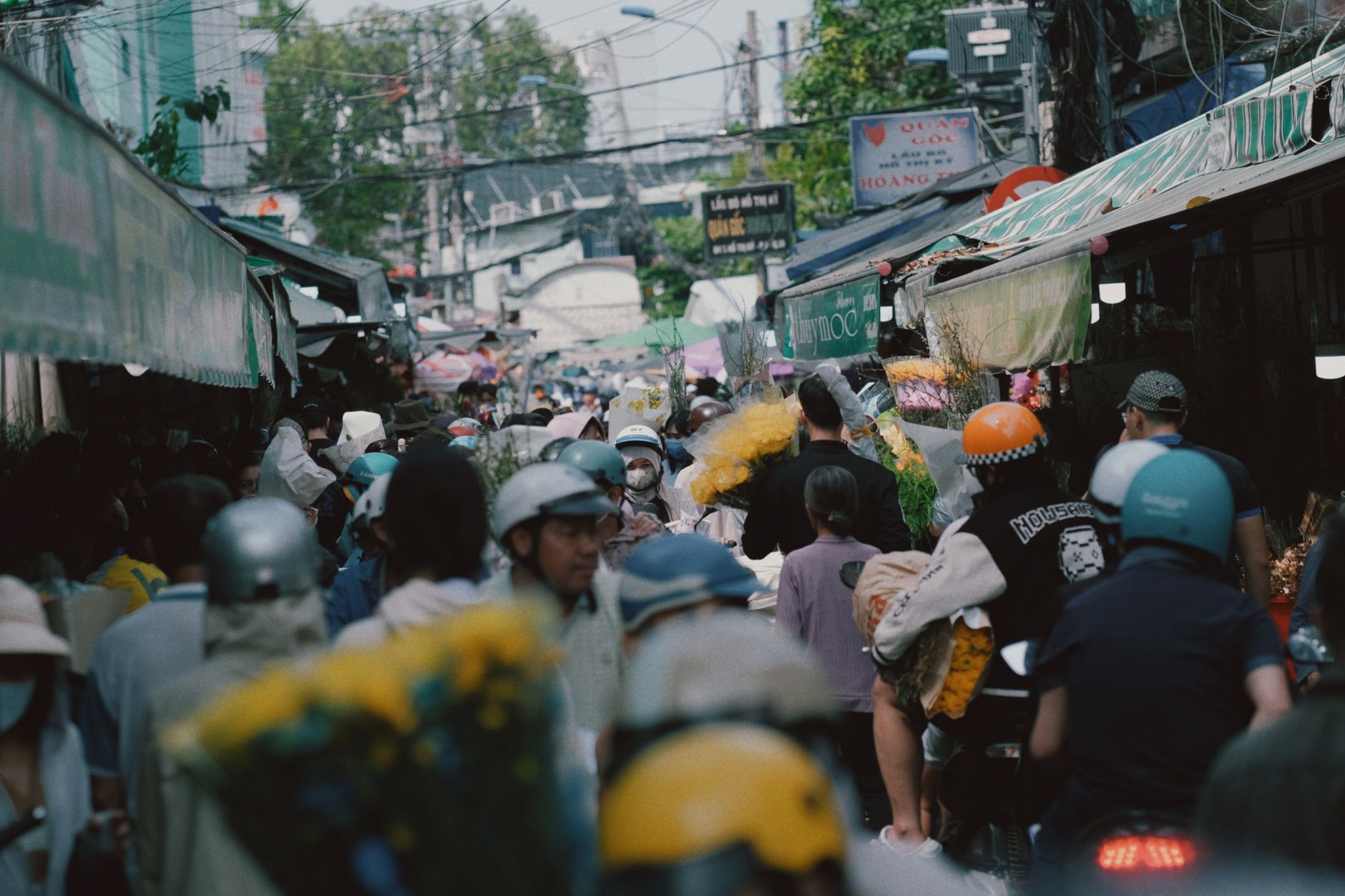
Quang Ba Flower Market is Hanoi's largest wholesale flower hub, located in the Red River Delta near Long Biên Bridge; it operates 5–7 a.m. daily and shuts by mid-morning as vendors pack out. Tours for seniors last 1.5–2.5 hours, starting before 6 a.m. to catch peak activity when trucks unload fresh blooms and prices drop. Expect crowded lanes, slippery wet floors, and traders moving fast—the energy is intense. Vietnam Flower Workshop by Hoa Lang Thang offers guided market tours tied to flower-culture workshops, explaining species, seasonal cycles, and harvest practices while you walk. Comfortable shoes, early sleep the night before, and a guide who knows vendors personally make the difference; going solo risks getting lost or overwhelmed. Cost and scheduling vary; ask us for a quote on WhatsApp to book a senior-paced option. ️ See how a class runs
Why is Quang Ba the heart of Hanoi's flower scene?
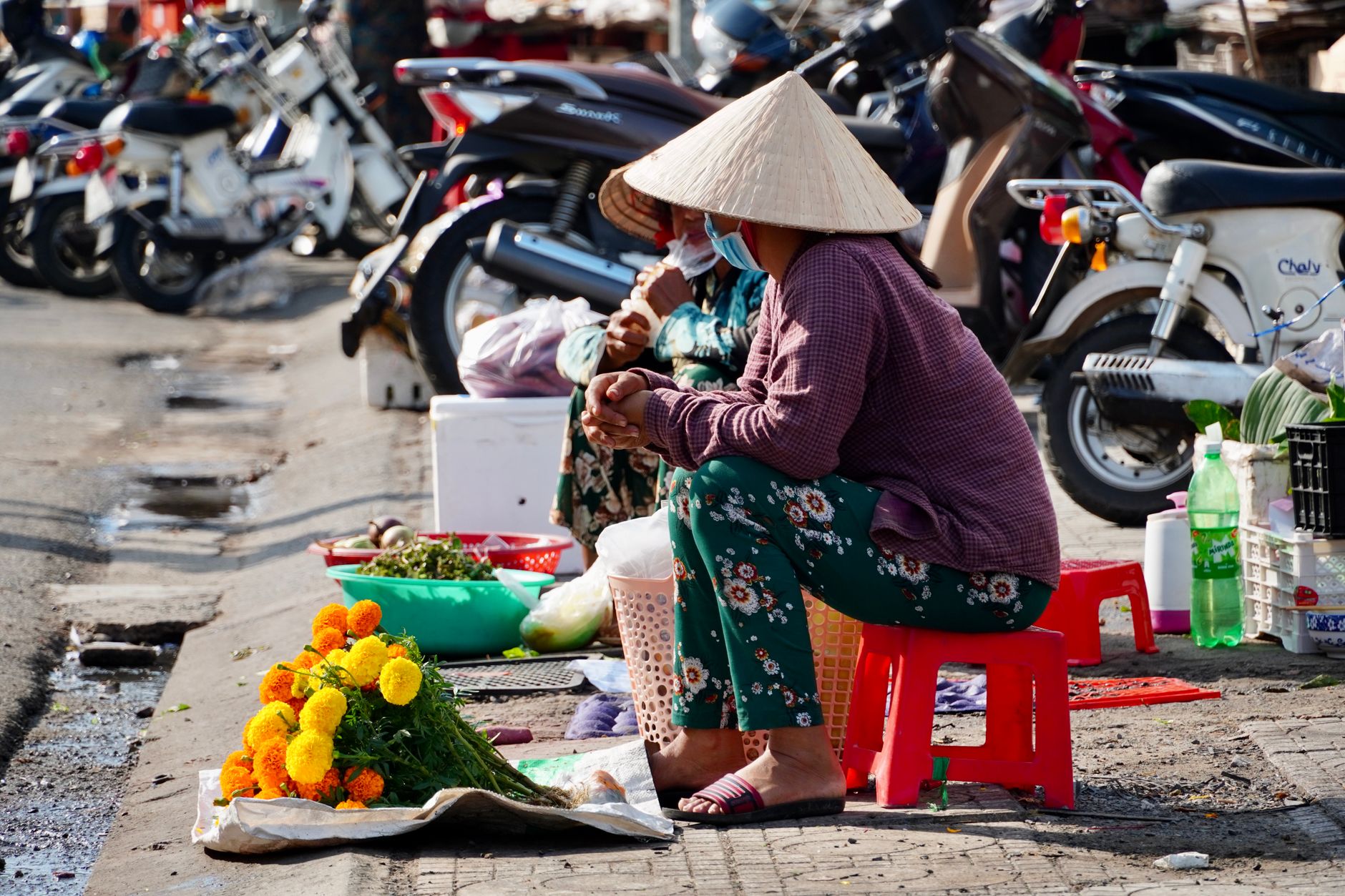
Quang Ba supplies every florist, hotel, and household in northern Vietnam with fresh-cut blooms. Growers from the provinces arrive nightly, staging inventory under fluorescent lights in a one-hectare covered market. By 6 a.m., wholesalers, retailers, and designers crowd the aisles bidding on roses, chrysanthemums, lilies, and seasonal lotus—the economic pulse of Hanoi's flower trade. The market is a living archive of Vietnamese floral taste: dahlias peak in autumn, peonies in late spring, marigolds and gladiolus during Tet. For seniors, the market reveals how flowers move from field to your vase, reinforcing the craft and patience behind a bouquet. Understanding this supply chain deepens respect for local growers and seasonal design.

What physical challenges should seniors prepare for?
The market floor is wet year-round, with standing water, scattered stems, and vendors pushing carts quickly. Aisles are narrow, crowded before 7 a.m., and wheelies and hand-trucks move without warning. Summer heat (May–August) adds humidity and discomfort; winter is mild but damp. Seniors with knee or hip issues, poor balance, or respiratory sensitivity (pollen, dust) should note these risks honestly. Wear slip-resistant soles, bring a light scarf or mask, use a walking stick if needed, and stand aside when trucks reverse. A guide from our team walks slowly, stops frequently for rest and explanation, and steers you to quieter corners where you can photograph blooms without being jostled. Rainy days (May–October) worsen footing; consider a Tuesday or Wednesday morning when foot traffic is lighter than weekends.
How do seasonal blooms shape what you'll see?
| Season | Peak Flowers | Best for Seniors | Market Mood |
|---|---|---|---|
| Jan–Mar (Tet & Spring) | Marigolds, gladiolus, orchids, peonies | Color-rich, festive; easier to photograph | Busiest; decorators restocking |
| Apr–May | Dahlias, roses, lilies, hydrangeas | Cool morning, diverse hues | Moderate; growers switching inventory |
| Jun–Aug (Monsoon) | Sunflowers, celosia, zinnias, tropicals | Heat challenge; humid; fewer northern blooms | Lighter; more local, fewer imports |
| Sep–Nov (Autumn) | Chrysanthemums, dahlias, cosmos | Mild weather, design variety | Steady; artisans preparing for year-end |
| Dec (Christmas) | Roses, carnations, lilies, wreaths | Festive displays; some design workshops on-site | Heavy; corporate bulk orders |
Visiting in April or October yields the best balance: moderate crowds, cool dawns, and peak variety. Summer (June–August) is hotter and slower because northern growers rest; winter Tet (January–February) is congested but spectacular if you tolerate noise. Rainy season (May–September) increases slipping risk; ask about senior group tours scheduled for dry mornings.
What happens if you book a workshop after the market tour?
Many seniors pair a 2-hour market walk with a half-day flower arranging class afterward, held indoors in a controlled, cool studio. You learn to condition and arrange blooms you've just seen at wholesale, meeting the growers' work from seed to your hands. Our team condenses technical steps, uses seated work tables for comfort, and teaches one or two signature styles—a spiral hand-tie or a shallow vase arrangement—rather than rushing through six. You take your finished piece home and understand why fresh-market flowers last 10–14 days if stems are cut and water is changed daily. This combo (market + class) turns passive sightseeing into active learning, and many seniors book private or couple sessions for themselves or with a partner, friend, or family member on a return trip. Ask us for a quote on WhatsApp to bundle the market tour with a workshop.
Ask for workshop dates on WhatsApp
How does Vietnam Flower Workshop tailor tours for seniors specifically?
We assign a single guide fluent in English, walking at your pace with frequent pauses at quieter vendor stalls. We explain the Vietnamese names and symbolism of each bloom (roses for respect, chrysanthemums for longevity), and introduce you to one or two trusted grower-vendors who speak softly and enjoy showing their stock. We avoid the main crush by starting earlier (5:15 a.m.) or visiting mid-week when fewer buyers are present. Our guides know which areas have benches, where restrooms are, and which vendors offer water or tea. We also shoot photos or video for you if mobility is limited, so you leave with images and stories, not just bruised shins. Tours are never rushed; a 1.5-hour walk feels leisurely, with time to absorb the scale and beauty. If you're interested in a team building workshop or seasonal workshop for a family reunion or anniversary, we can also weave market education into a longer itinerary tailored to your group's interests.
What should you check before booking a market tour?
- Fitness level: Can you stand and walk for 60–90 minutes on a wet, uneven floor? Honest self-assessment prevents disappointment.
- Pollen sensitivity: Do crowds of fresh flowers trigger asthma or allergies? Our team can position you upwind and shorten the visit.
- Comfort shoes: Slip-resistant sole, closed toe, broken-in; no new shoes on tour day.
- Early wake-up: Arriving by 5:45 a.m. means sleeping by 9 p.m. the night before; fatigue ruins the experience.
- Guide availability: We book one-on-one and small-group tours; confirm dates and group size on WhatsApp.
- Follow-up workshop: A market tour alone is memorable but brief. Pairing it with a class (even a short one) deepens understanding and gives you a keepsake to bring home.
FAQ
Is the Quang Ba market safe for seniors traveling alone or with one companion?
Yes, with a guide. Our team meets you at a landmark near the market, stays within arm's reach, and navigates you around hazards. Solo or with a friend but no guide poses slipping and disorientation risks; we recommend booking a guide for safety and cultural insight.
How hot does it get, and what's the best time of year for seniors?
April–May and October–November are ideal (16–24°C, 60–75°F, dry). June–August peaks at 32–35°C (90–95°F) with humidity; winter (December–March) is cool but rainy mornings are slippery. Choose based on your heat tolerance.
Can I buy flowers directly from growers at the market, or is it wholesale-only?
Wholesale pricing applies if you buy ≥10 stems of one type, but single or small bundles are rarely sold at Quang Ba; it's designed for florists and businesses. Our flower workshops provide curated, retail-quality blooms for you to take home after arranging them yourself.
What language is spoken at the market, and will I understand vendors?
Vendors speak Vietnamese and some Mandarin; English is rare. Our English-speaking guide translates, explains pricing, and handles introductions so you can enjoy the scene without language stress.
Do tours operate every day, and can I book same-day or do I need to reserve ahead?
We schedule tours by request, with preference for Tue–Thu and early morning slots. Advance booking (at least 3 days ahead) ensures guide availability; ask us for a quote on WhatsApp with your preferred dates.
What if I've never been to a flower market before—will I feel out of place?
No. Markets are designed for constant motion and curiosity; many first-time visitors tour with us. A guide makes you a cultural observer rather than an outsider, and your senior perspective—patience, eye for detail—is an asset in photographing blooms and hearing vendor stories. === Ask for workshop dates on WhatsApp Learn more about Vietnamese flower culture & market and book a bouquet making workshop to deepen your skills after the tour. ️ See how a class runs
Ask for dates
Tell us the city, the date and how many people. We reply on WhatsApp in English with workshop options and a quote.
FAQ
Is the Quang Ba market safe for seniors traveling alone or with one companion?
Yes, with a guide. Our team meets you at a landmark near the market, stays within arm's reach, and navigates you around hazards. Solo or with a friend but no guide poses slipping and disorientation risks; we recommend booking a guide for safety and cultural insight.
How hot does it get, and what's the best time of year for seniors?
April–May and October–November are ideal (16–24°C, 60–75°F, dry). June–August peaks at 32–35°C (90–95°F) with humidity; winter (December–March) is cool but rainy mornings are slippery. Choose based on your heat tolerance.
Can I buy flowers directly from growers at the market, or is it wholesale-only?
Wholesale pricing applies if you buy ≥10 stems of one type, but single or small bundles are rarely sold at Quang Ba; it's designed for florists and businesses. Our [flower workshops](/flower-arranging-class) provide curated, retail-quality blooms for you to take home after arranging them yourself.
What language is spoken at the market, and will I understand vendors?
Vendors speak Vietnamese and some Mandarin; English is rare. Our English-speaking guide translates, explains pricing, and handles introductions so you can enjoy the scene without language stress.
Do tours operate every day, and can I book same-day or do I need to reserve ahead?
We schedule tours by request, with preference for Tue–Thu and early morning slots. Advance booking (at least 3 days ahead) ensures guide availability; ask us for a quote on WhatsApp with your preferred dates.
What if I've never been to a flower market before—will I feel out of place?
No. Markets are designed for constant motion and curiosity; many first-time visitors tour with us. A guide makes you a cultural observer rather than an outsider, and your senior perspective—patience, eye for detail—is an asset in photographing blooms and hearing vendor stories. === [🌸 Ask for workshop dates on WhatsApp](https://wa.me/84969293894) Learn more about [Vietnamese flower culture & market](/vietnamese-flower-culture) and book a [bouquet making workshop](/bouquet-workshop) to deepen your skills after the tour. [✂️ See how a class runs](/flower-arranging-class)
More like this
Vietnamese flower culture
Vietnamese Flower Culture: What to Expect at a Hanoi Workshop
Vietnamese flower culture weaves ancient ritual, seasonal respect, and everyday beauty into a living practice that shapes how people celebrate, mourn, and connect. A workshop in Hanoi or Ho Chi Minh City reveals this firsthand—not as theory, but as skill you can use at home.
Vietnamese flower culture
Vietnamese Flower Culture for Beginners: What to Know
Vietnamese flower culture blends Buddhist symbolism, Lunar New Year tradition, and French colonial influence into a distinct aesthetic that beginners can learn through hands-on practice and market immersion.
Vietnamese flower culture
Vietnamese Flower Culture: Workshops & Traditions in Hanoi & HCMC
Vietnamese flower culture weaves centuries of symbolism—lotus for purity, chrysanthemums for longevity—into celebrations and daily life. We teach this living heritage through arranging workshops where travelers and expats craft authentic pieces using imported and local blooms.