
Home › Blog › Vietnamese flower culture
Quang Ba Flower Market Tour: Buy Fresh Blooms Near Hoan Kiem
By the Vietnam Flower Workshop team · 2026-11-06
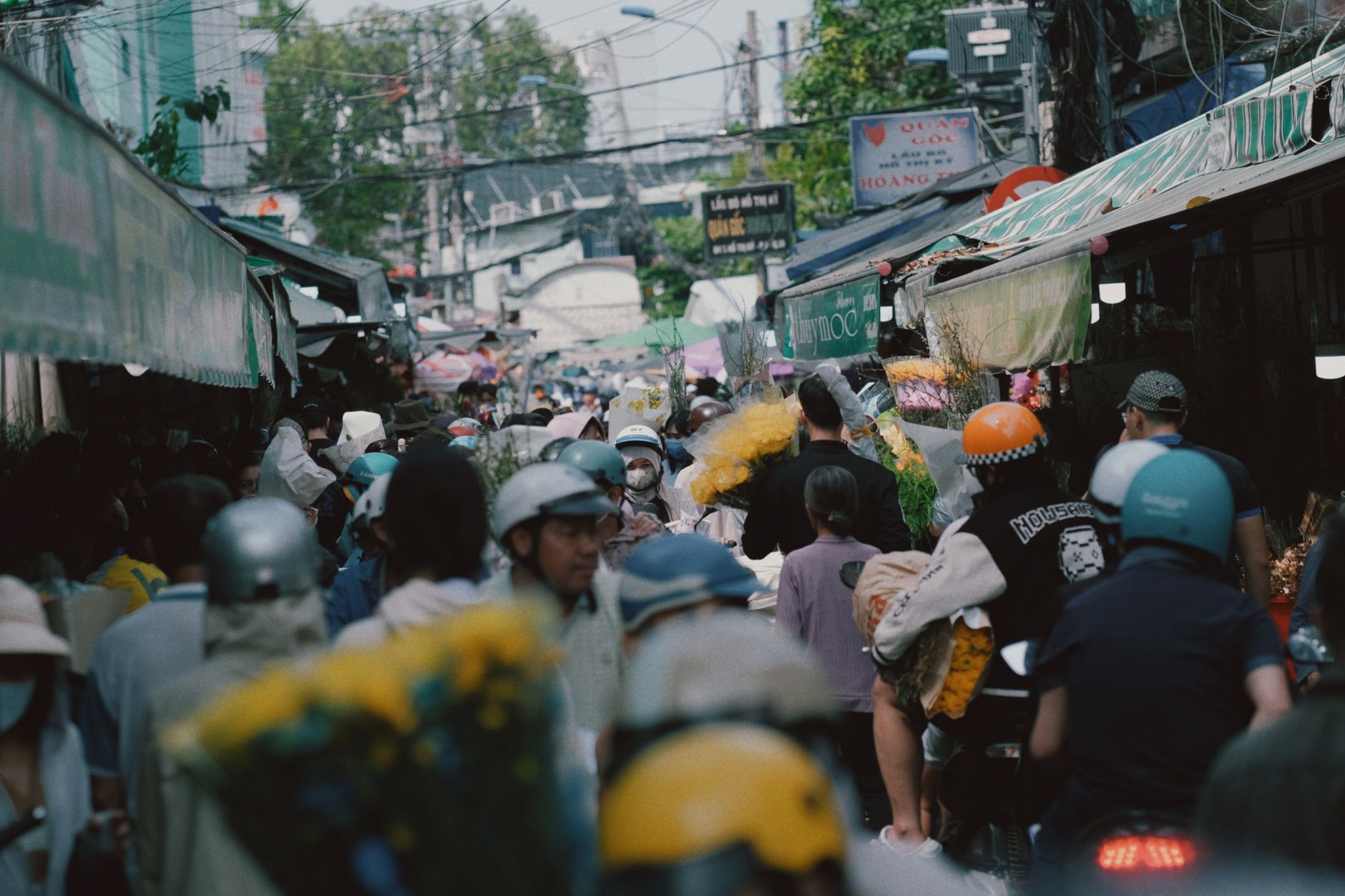
Quang Ba Flower Market sits in the Red River Delta region near Hoan Kiem, active year-round but busiest 4 a.m.–8 a.m. daily. The wholesale hub supplies Hanoi's florists, wedding planners, and home gardeners with imported and local varieties. A typical visit lasts 1–2 hours; expect narrow aisles, wet concrete, cool early-morning air, and vendors speaking rapid Vietnamese. Vietnam Flower Workshop by Hoa Lang Thang offers guided market tours paired with hands-on arranging classes so you learn grading, negotiation, and freshness checks before designing your own bouquet. Most visitors spend time comparing stems, sampling seasonal pieces (lotus in summer, chrysanthemums in autumn), and picking up a bucket or two for home use—prices per stem or bunch are wholesale-rate, far below retail shop costs. Go early, wear closed shoes, bring small change in Vietnamese dong, and allow haggling as part of the culture. Ask for workshop dates on WhatsApp | ️ See how a class runs
What makes Quang Ba different from retail flower shops?
Quang Ba operates as a wholesale cooperative marketplace, not a single storefront. Dozens of stall-holders auction and negotiate bulk orders—florists buying 100 stems at a time sit alongside tourists picking 5. Retail shops nearby markup those same blooms 2–3× for display and labor. Shopping direct at Quang Ba, you pay grower-to-buyer prices, but you accept less packaging polish and must know what "fresh" looks like. Our workshop guides recognize reliable vendors and teach you the same quality signals (firm stems, bright eyes on flowers, no yellowing foliage) florists use daily.
️ See how a class runs

When is the best time to visit Quang Ba near Hoan Kiem?
Arrive between 4 a.m. and 7 a.m. for peak selection and lowest prices. By 8 a.m., popular varieties sell out and remaining stock shows stress from handling. Mid-morning brings fewer vendors and wilted rejects. Seasonal timing matters: late January through mid-February (Vietnamese New Year, Tet) sees imported roses, lilies, and chrysanthemums flood the market; April–June favors tropical orchids and local white tuberose; September–November brings dahlias and fresh chrysanthemums; December adds imported poinsettias and winter greenery. Tourist numbers peak during Tet holidays and November–December, so expect crowds. Early-morning winter visits (November–February) mean 10–15°C air and minimal humidity stress on freshly harvested stems.
What should I look for when choosing stems at the market?
Stem firmness: Bend gently—it should spring back, not stay creased. Hollow or mushy bases signal root rot or age. Leaf color: Bright, waxy, no yellowing or brown edges. Flower head: If closed, petals should feel papery and tight, not soft or bruised. Cut end: Fresh cuts (within 24 hours) appear pale yellow or white; brown or black rings mean oxidation and reduced water uptake. Thorns and foliage: Remove lower leaves before placing in water—decaying foliage accelerates bacterial bloom (shortens vase life by days). Smell: Roses, lilies, and tuberose should have clean, fragrant scent; musty or fermented odor means fungal or bacterial infection. Vendor reputation matters—ask which suppliers arrived this morning, not yesterday. Our bouquet-making workshop teaches you to inspect and condition stems on-site, so you pick confidently.
| Flower Type | Best Months | Market Price Range (per stem) | Vase Life (home) | Who It's For |
|---|---|---|---|---|
| Imported rose | Nov–Feb | ~0.50–our current quote | 7–10 days | Couples, anniversaries |
| Local tuberose | Apr–Jun | ~0.30–our current quote | 5–7 days | Perfume lovers, summer weddings |
| Chrysanthemum | Sep–Nov | ~0.20–our current quote | 10–14 days | Bulk projects, team events |
| Orchid (spray) | Year-round | ~1–our current quote | 14–21 days | Luxury gifts, long-term displays |
| Gerbera daisy | Oct–Dec | ~0.30–our current quote | 7–10 days | Birthday gifts, bright moods |
| Lily (imported) | Dec–Feb | ~0.80–our current quote | 10–12 days | Weddings, premium arrangements |
How do I keep Quang Ba flowers fresh during Hanoi's heat?
Hanoi's humidity and 28–35°C summer heat wilt blooms in hours if unprotected. Carry damp paper towels or a spray bottle—mist stems every 10 minutes walking home. Use a bucket with tepid water immediately after purchase; don't let stems dry on the motorbike seat. Remove lower foliage before water contact (it rots and creates bacterial slime, blocking water uptake). Recut stems at a 45° angle at home under running water (air bubbles trapped in straight cuts block water flow). Place in cool water (18–20°C) with flower food if available; ice cubes work in a pinch. Avoid direct sunlight and fans—they accelerate transpiration. In summer, change water every 24 hours and recut stems every third day. Our flower-arranging-class teaches conditioning techniques that extend vase life 3–5 extra days. Tropical orchids and tuberose handle heat better than imported roses; ask the vendor for heat-tolerant varieties if you're shopping in peak summer.
Ask for workshop dates on WhatsApp
Should I buy Quang Ba blooms for an event or arrangement?
Quang Ba is ideal for self-taught arrangers, casual home displays, and small personal projects—not for high-stakes weddings or corporate events without guidance. Pros: wholesale prices, seasonal variety, tactile learning. Cons: no pre-arrangement, no delivery, no backup if a stem fails, vendor language barriers, early-morning-only access. For event arrangements (hen parties, team building, birthday celebrations), our parties and team-building workshops source and arrange flowers in a controlled studio—you skip the market stress and focus on design. For gift-quality bouquets, retail florists handle wrapping and conditioning. For learning, a market tour + bouquet-making workshop combo teaches you to source, select, and hand-tie your own gift-ready bundles. If you're comfortable with risk (a vendor may only speak Vietnamese, or a block wilts unexpectedly), Quang Ba rewards early risers and adventurous shoppers.
What to check before you buy at Quang Ba
- Vendor cleanliness: Stall floor should be wet and swept, not littered with dead leaves or slime.
- Bucket water quality: Clear, not brown or foul-smelling (signs of bacterial overgrowth).
- Stem cut: Fresh, pale yellow or white—not brown, black, or crushed.
- Petal firmness: Gently squeeze a bloom; it should feel springy, not papery or soft.
- Leaf waxy texture: Smooth and firm, not dusty, sticky, or wilted.
- Pest signs: No insects, white powder (mold), or sticky residue.
- Negotiable price: Bundles often have markup room; ask in English or gesture "too much."
- Transport plan: Damp towels, bucket of water, or climate-controlled bag ready before you buy.
Related Hanoi flower experiences
Explore Vietnamese flower culture to understand market traditions, Tet customs, and seasonal symbolism. For deeper learning beyond browsing, join our tourist-workshop for Quang Ba market context plus a full arranging class in our studio. Families and kids enjoy our kids-and-family sessions using market blooms in simplified projects. Couples on a Hanoi itinerary love our private-and-couples market tour with breakfast and design time.
️ See how a class runs | Ask for workshop dates on WhatsApp
Pages from our team you may need
FAQ
Can I go to Quang Ba on my own without a guide?
Yes—the market is public and open 4 a.m. to evening. But without vendor contacts or Vietnamese language skills, you'll pay slightly higher prices and may miss hidden quality cues. Our guided tours give you translator support and vendor relationships built over time.
What's the average cost of a stem at Quang Ba versus a retail shop?
Quang Ba wholesale pricing per stem is typically 30–70% lower than retail (exact prices vary daily by supply). A rose may bea quoted pricewholesale; the same rose retails fora quoted pricein a shop. Wholesale applies only to Quang Ba; retail shop prices include labor, display, and wrapping.
Is Quang Ba safe for solo travelers early in the morning?
Yes; the market is busy and vendor-filled by 5 a.m. Bring small Vietnamese dong, wear closed shoes (water on the floor), and keep a phone with offline maps. Women travelers report comfort in groups; solo early visits are low-risk but noisier and more crowded.
Can I buy Quang Ba flowers and have them arranged by a florist?
Yes, but most florists charge a service fee (arrangement labor) on top of stem cost. It defeats the wholesale advantage. Cheaper option: bring blooms to our bouquet-workshop and hand-tie them yourself; you learn and save the arrangement fee.
Do Quang Ba vendors deliver or accept online orders?
No formal e-commerce or delivery service exists at Quang Ba; it's cash-and-carry at the stall. A few vendors may accept phone orders (in Vietnamese), but arrangement and freshness guarantees don't apply. For reliable delivery, use retail shops or our workshop partners.
What language do Quang Ba vendors speak?
Mostly Vietnamese and Mandarin (China supplies many blooms). English is rare; hand gestures, phone translation apps, and visual pointing work well. Our guided market tours include English-speaking accompaniment.
Ask for dates
Tell us the city, the date and how many people. We reply on WhatsApp in English with workshop options and a quote.
FAQ
Can I go to Quang Ba on my own without a guide?
Yes—the market is public and open 4 a.m. to evening. But without vendor contacts or Vietnamese language skills, you'll pay slightly higher prices and may miss hidden quality cues. Our guided tours give you translator support and vendor relationships built over time.
What's the average cost of a stem at Quang Ba versus a retail shop?
Quang Ba wholesale pricing per stem is typically 30–70% lower than retail (exact prices vary daily by supply). A rose may be $0.50 wholesale; the same rose retails for $1.50–2 in a shop. Wholesale applies only to Quang Ba; retail shop prices include labor, display, and wrapping.
Is Quang Ba safe for solo travelers early in the morning?
Yes; the market is busy and vendor-filled by 5 a.m. Bring small Vietnamese dong, wear closed shoes (water on the floor), and keep a phone with offline maps. Women travelers report comfort in groups; solo early visits are low-risk but noisier and more crowded.
Can I buy Quang Ba flowers and have them arranged by a florist?
Yes, but most florists charge a service fee (arrangement labor) on top of stem cost. It defeats the wholesale advantage. Cheaper option: bring blooms to our [bouquet-workshop](/bouquet-workshop) and hand-tie them yourself; you learn and save the arrangement fee.
Do Quang Ba vendors deliver or accept online orders?
No formal e-commerce or delivery service exists at Quang Ba; it's cash-and-carry at the stall. A few vendors may accept phone orders (in Vietnamese), but arrangement and freshness guarantees don't apply. For reliable delivery, use retail shops or our workshop partners.
What language do Quang Ba vendors speak?
Mostly Vietnamese and Mandarin (China supplies many blooms). English is rare; hand gestures, phone translation apps, and visual pointing work well. Our guided market tours include English-speaking accompaniment.
More like this
Vietnamese flower culture
Vietnamese Flower Culture: What to Expect at a Hanoi Workshop
Vietnamese flower culture weaves ancient ritual, seasonal respect, and everyday beauty into a living practice that shapes how people celebrate, mourn, and connect. A workshop in Hanoi or Ho Chi Minh City reveals this firsthand—not as theory, but as skill you can use at home.
Vietnamese flower culture
Vietnamese Flower Culture for Beginners: What to Know
Vietnamese flower culture blends Buddhist symbolism, Lunar New Year tradition, and French colonial influence into a distinct aesthetic that beginners can learn through hands-on practice and market immersion.
Vietnamese flower culture
Vietnamese Flower Culture: Workshops & Traditions in Hanoi & HCMC
Vietnamese flower culture weaves centuries of symbolism—lotus for purity, chrysanthemums for longevity—into celebrations and daily life. We teach this living heritage through arranging workshops where travelers and expats craft authentic pieces using imported and local blooms.