
Home › Blog › Workshop guides
Hoan Kiem Flower Market Guide: Where to Buy & Learn
By the Vietnam Flower Workshop team · 2026-11-06
Hoan Kiem flower market sits steps from Hoan Kiem Lake in Hanoi's Old Quarter, opening early (around 5–6 a.m.) with peak activity through mid-morning. Vendors sell loose stems—roses, chrysanthemums, orchids, lilies—at wholesale-to-retail prices, plus some pre-made bouquets. Quality varies; blooms near stall entrances fade faster than those kept in coolers. Vietnam Flower Workshop by Hoa Lang Thang runs hands-on arranging classes in central Hanoi where you'll learn stem conditioning, color balance, and spiral hand-ties using imported and local flowers—far easier than guessing at the market. Beginners often buy too many stems, ignore hydration, or skip technique; a short workshop prevents waste and teaches you to shop smarter. No deposit required; ask us for workshop dates on WhatsApp. Ask for workshop dates on WhatsApp | ️ See how a class runs
What flowers does Hoan Kiem market sell year-round?
Rose, chrysanthemum, sunflower, lily, orchid, gladiolus, and seasonal blooms like lotus (summer) and chrysanthemum (autumn) dominate stalls. Availability shifts with weather; tropical heat (April–September) reduces delicate varieties. Imported blooms arrive fresh 2–3 times weekly. Vietnamese vendors source locally and internationally, so prices and freshness fluctuate daily. Visit before 10 a.m. for the widest selection. The market stocks basics reliably but rarely stocks exotic tropicals without notice.
Learn flower types in our culture guide

How do you spot fresh flowers at the market?
Check petals for firmness, no browning or bruising, and blooms not fully open—buds indicate longer vase life. Stems should be rigid and green, not slimy. Smell near the center; musty scents mean mold. Ask the vendor when the shipment arrived; same-day imports beat three-day-old stock. Leaves should be vivid, not yellowed or wilted. A quick squeeze of the bloom tells you if it's genuinely fresh or just cosmetically arranged. Most beginners skip these checks and waste money on stems that wilt in one day.
Why buy at the market instead of a flower shop?
Market prices run 30–50% lower than retail shops because there's no storefront overhead or design labor. You pick individual stems and control quantity—ideal if you want to practice arranging at home. However, shops offer pre-designed pieces, next-day delivery in Hanoi and Ho Chi Minh City, and consistency. Markets suit confident buyers or learners; shops suit last-minute gifters. The tradeoff: markets demand time, plant knowledge, and arranging skill. If you lack confidence, a bouquet-making workshop teaches you to buy and arrange in one session—better value than shopping blind and failing at home.
Ask for workshop dates on WhatsApp
What's the best way to transport flowers from the market home?
Wrap stems in damp newspaper, then plastic, to retain moisture during travel. Keep blooms upright in a bucket or bag; never lay them flat—crushed petals won't recover. Avoid direct sun and heat. If humidity is high (as it is April–September in Hanoi), mist the leaves lightly. Once home, recut stems at a 45° angle under running water, remove lower leaves, and place in a clean vase with flower food or a pinch of sugar. Never use the same vase without washing it first—bacteria shorten vase life dramatically. This process, called conditioning, is the biggest gap between market shoppers and trained arrangers.
Should you take a workshop or learn solo at the market?
| Approach | Time to first result | Vase life | Cost per arrangement | Best for |
|---|---|---|---|---|
| Market + solo trial | 2–4 weeks, multiple fails | 3–5 days | our current quote–6 stems | Persistence, low budget |
| Market + workshop knowledge | 1 session | 7–10 days | our current quote–8 stems + class fee | Speed, confidence, longevity |
| Retail pre-made bouquet | None, ready to gift | 5–7 days | our current quote–25 | No time, assured quality |
A workshop condenses months of trial-and-error into one hands-on afternoon. You'll learn conditioning, spiral hand-tie technique, color balance, and wrapping—all skills that make cheap market stems look expensive. Beginners who skip training often over-water, crowd too many stems, or ignore hydration, wasting money. The workshop recouped itself by session two. If you buy flowers weekly, a floral design course over multiple weeks builds mastery and saves thousands annually through smarter purchasing and zero waste.
How does the heat affect flowers at Hoan Kiem market?
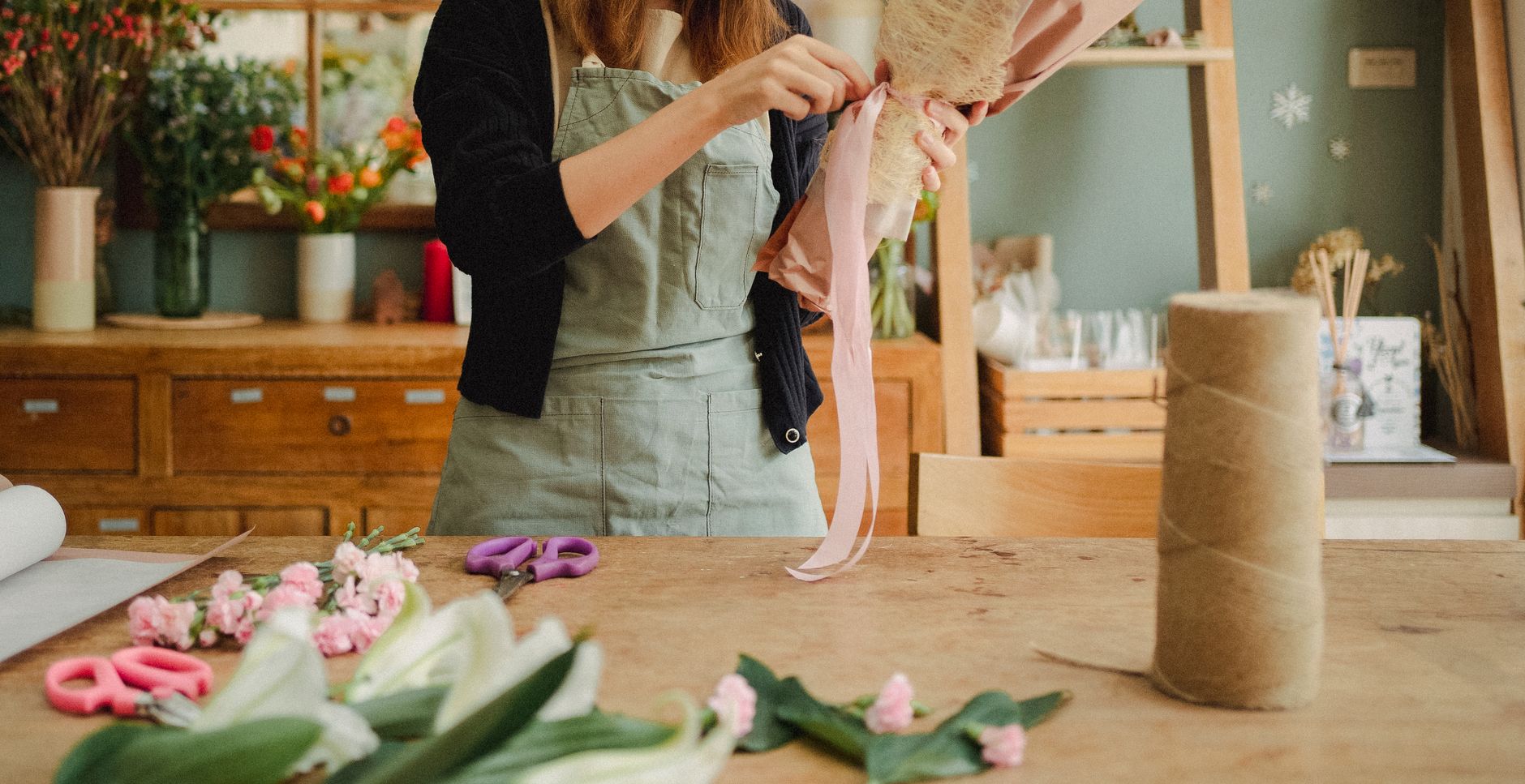
Hanoi's heat (30–35°C April–September) shrivels blooms fast—a stem can wilt in 6 hours without shade or misting. Vendors who keep flowers in dark coolers or shade buckets extend stock life; those who display in direct sun sell quickly but at lower quality. Choose stalls with cooled stock, especially for delicate roses and orchids. Hydration is critical in heat: bring flowers home immediately, recut stems, and hydrate for 2–4 hours before arranging. Vases in air-conditioned rooms last 40% longer than those in fan-only areas. If you arrange during Hanoi's summer, a group workshop teaches heat-smart conditioning—critical for outdoor events or deliveries. Many arrangers ignore heat and lose arrangements to wilt on hot days.
Can you arrange market flowers into a gift?
Yes—and this is where a private session or couple workshop shines. You buy stems at Hoan Kiem in the early morning, bring them to a workshop (available on the same day), learn wrapping and hand-tie technique, and walk out with a gift-ready bouquet. Two-hour sessions cover selection, conditioning, arrangement, and wrapping. Kids and families often do this on weekends; it's more memorable and affordable than buying a pre-made gift. For hen parties and birthday celebrations, this combination is a standout: friends shop together, take a class, and each guest leaves with their own arrangement. No pre-order needed; we reply as soon as we can on WhatsApp to confirm availability.
Explore private & couple sessions
What to check before you buy at Hoan Kiem market
- Bloom age: Ask the vendor or estimate by petal firmness (soft = old, firm = fresh).
- Stem length: Ensure stems are at least 40 cm; short stems limit arrangement options.
- Hydration on arrival: Dip cut ends in water immediately; wilted stems rarely recover.
- Leaf condition: Yellow, slimy, or musty leaves indicate disease or age.
- Quantity vs. vase: Beginners overbuy. A small vase needs 5–7 stems; a large arrangement, 15–20.
- Budget: Market stems cost our current quote–our current quote each; a 10-stem bouquet runs our current quote–our current quote Shop comparison helps.
- Time of day: Visit 6–10 a.m. for peak freshness; afternoon stock is picked over.
How a workshop near Hoan Kiem prepares you to shop smarter
Our arranging classes in central Hanoi show you how to evaluate stems, condition properly, and assemble long-lasting arrangements. You'll handle imported and local flowers, learn spiral hand-ties (the technique that turns our current quote stems into a our current quote-looking bouquet), and practice color balance. Most learners arrive assuming "fresh" means it looks good today; we teach them vase-life secrets—recut depth, water temperature, removing lower leaves, using flower food. By session end, you shop at Hoan Kiem or any market with confidence, pick better blooms, and arrange them to last 10+ days instead of 3–4. Travelers and expats book these classes; they're taught in English and include flowers to take home.
️ See how a class runs | Ask for workshop dates on WhatsApp
Is Hoan Kiem market worth a visit if you're a tourist or expat?
Absolutely—it's free, photogenic, and a genuine window into Hanoi life. Vendors are often patient with visitors who ask questions. However, the market is crowded, humid, and can feel overwhelming if you don't speak Vietnamese. Many tourists buy blooms, take photos, and don't know how to keep them alive in a hot hotel room. A tourist-focused workshop bridges this: you visit the market (or we source flowers), spend a relaxed afternoon learning to arrange, and leave with a take-home bouquet. No floral experience needed. It's a memorable activity, a keepsake you made yourself, and a skill you'll use at home.

FAQ
What is the cheapest way to buy flowers in Hanoi?
Hoan Kiem market offers the lowest per-stem prices (30–50% below retail shops), but requires early morning visits, market navigation, and arranging skill. Wholesale markets in Hanoi also sell bulk, but often require ID or vendor connections. Factor in time and waste; beginners often throw out 20% of market stems due to poor conditioning or arranging mistakes. A workshop speeds up your learning and can save money long-term.
Can I visit Hoan Kiem market alone if I don't speak Vietnamese?
Yes. Vendors are accustomed to tourists. Gesturing, showing a photo, or using a translation app works. Bring cash (small bills); some stalls don't take cards. Expect crowding, heat, and noise, especially 6–9 a.m. If you feel lost, ask a vendor to point you toward the coolest stalls or osmanthus vendors. Many expats arrive with friends or hire a guide; we reply as soon as we can on WhatsApp if you'd like workshop guidance instead.
How long do market flowers last in Hanoi's heat?
Unconditioned stems wilt in 4–8 hours on hot days (April–September). With proper conditioning (recut, cold water, shade, flower food), vase life extends to 7–10 days. Air-conditioned rooms add 2–3 extra days. Heat-stressed flowers fade fastest; shop early and hydrate immediately. A workshop teaches heat-smart technique—critical if you're arranging for events in summer.
Is it cheaper to buy at the market and arrange myself, or book a workshop?
Market stems costa quoted priceeach; a 10-stem bouquet = $5–$12 of flowers. A workshop session costs more upfront but teaches reusable skill. If you buy flowers weekly, a workshop pays for itself in two months through better selection and zero waste. If you buy rarely, it's a one-time experience worth the cost.
Can I do a workshop on the same day I visit the market?
Yes. Book a session, visit the market early morning, bring your stems to the workshop, and learn to arrange. Sessions are available (we reply as soon as we can on WhatsApp to confirm times). Many couples and groups do this; it's more affordable and personal than pre-made bouquets.
Are there any flowers I should avoid at Hoan Kiem market?
Avoid blooms with brown petal edges, slimy stems, or musty smell—signs of age or mold. Imported roses in high heat sometimes arrive already stressed; ask the vendor when they arrived. Orchids and delicate tropicals are inconsistent; buy only if you see visibly firm blooms. Beginners often overbuy varieties they've never arranged; ask for advice or bring a photo from a workshop class. ===INTERNAL LINKS USED=== 1. flower-arranging-class — How a class runs (answer block CTA) 2. vietnamese-flower-culture — Learn flower types in culture guide (H2: What flowers) 3. bouquet-workshop — Bouquet-making workshop (H2: Why buy at market) 4. floral-design-course — Floral design course (H2: Workshop vs. solo) 5. team-building — Group workshop (H2: Heat affects flowers) 6. private-and-couples — Private & couple sessions (H2: Arrange market flowers into gift + mid-article CTA) 7. parties — Hen & birthday parties (H2: Arrange market flowers into gift) 8. tourist-workshop — Tourist-focused workshop (H2: Is Hoan Kiem market worth a visit) 9. workshops/hoan-kiem — Pillar link (implicit in context; not over-linked to avoid redundancy) --- Ask for workshop dates on WhatsApp
Ask for dates
Tell us the city, the date and how many people. We reply on WhatsApp in English with workshop options and a quote.
FAQ
What is the cheapest way to buy flowers in Hanoi?
Hoan Kiem market offers the lowest per-stem prices (30–50% below retail shops), but requires early morning visits, market navigation, and arranging skill. Wholesale markets in Hanoi also sell bulk, but often require ID or vendor connections. Factor in time and waste; beginners often throw out 20% of market stems due to poor conditioning or arranging mistakes. A workshop speeds up your learning and can save money long-term.
Can I visit Hoan Kiem market alone if I don't speak Vietnamese?
Yes. Vendors are accustomed to tourists. Gesturing, showing a photo, or using a translation app works. Bring cash (small bills); some stalls don't take cards. Expect crowding, heat, and noise, especially 6–9 a.m. If you feel lost, ask a vendor to point you toward the coolest stalls or osmanthus vendors. Many expats arrive with friends or hire a guide; we reply as soon as we can on WhatsApp if you'd like workshop guidance instead.
How long do market flowers last in Hanoi's heat?
Unconditioned stems wilt in 4–8 hours on hot days (April–September). With proper conditioning (recut, cold water, shade, flower food), vase life extends to 7–10 days. Air-conditioned rooms add 2–3 extra days. Heat-stressed flowers fade fastest; shop early and hydrate immediately. A workshop teaches heat-smart technique—critical if you're arranging for events in summer.
Is it cheaper to buy at the market and arrange myself, or book a workshop?
Market stems cost $0.50–$2 each; a 10-stem bouquet = $5–$12 of flowers. A workshop session costs more upfront but teaches reusable skill. If you buy flowers weekly, a workshop pays for itself in two months through better selection and zero waste. If you buy rarely, it's a one-time experience worth the cost.
Can I do a workshop on the same day I visit the market?
Yes. Book a session, visit the market early morning, bring your stems to the workshop, and learn to arrange. Sessions are available (we reply as soon as we can on WhatsApp to confirm times). Many couples and groups do this; it's more affordable and personal than pre-made bouquets.
Are there any flowers I should avoid at Hoan Kiem market?
Avoid blooms with brown petal edges, slimy stems, or musty smell—signs of age or mold. Imported roses in high heat sometimes arrive already stressed; ask the vendor when they arrived. Orchids and delicate tropicals are inconsistent; buy only if you see visibly firm blooms. Beginners often overbuy varieties they've never arranged; ask for advice or bring a photo from a workshop class. ===INTERNAL LINKS USED=== 1. [flower-arranging-class](/flower-arranging-class) — How a class runs (answer block CTA) 2. [vietnamese-flower-culture](/vietnamese-flower-culture) — Learn flower types in culture guide (H2: What flowers) 3. [bouquet-workshop](/bouquet-workshop) — Bouquet-making workshop (H2: Why buy at market) 4. [floral-design-course](/floral-design-course) — Floral design course (H2: Workshop vs. solo) 5. [team-building](/team-building) — Group workshop (H2: Heat affects flowers) 6. [private-and-couples](/private-and-couples) — Private & couple sessions (H2: Arrange market flowers into gift + mid-article CTA) 7. [parties](/parties) — Hen & birthday parties (H2: Arrange market flowers into gift) 8. [tourist-workshop](/tourist-workshop) — Tourist-focused workshop (H2: Is Hoan Kiem market worth a visit) 9. [workshops/hoan-kiem](/workshops/hoan-kiem) — Pillar link (implicit in context; not over-linked to avoid redundancy) --- [🌸 Ask for workshop dates on WhatsApp](https://wa.me/84969293894)
More like this
Workshop guides
Hoan Kiem Unique Experiences With Flowers: Hand-Tie Classes in Hanoi
Hoan Kiem offers a quiet retreat for flower lovers who want to create their own arrangements hands-on, not just admire them in shops. Vietnam Flower Workshop by Hoa Lang Thang runs intimate classes near the lake where you condition stems, master spiral hand-ties, and walk away with a finished bouque
Workshop guides
Hoan Kiem rainy day activities workshop: flower arranging indoors
Rainy days in Hoan Kiem don't mean you're stuck at your hotel. Vietnam Flower Workshop by Hoa Lang Thang runs fully indoors in central Hanoi, teaching real flower arranging techniques while tropical rain falls outside—and you leave with your own hand-tied bouquet.
Workshop guides
Hoan Kiem Creative Workshops for Tourists: Flower Design in Hanoi
We run drop-in and booked creative flower workshops in Hanoi's Hoan Kiem district for travelers and expats. You'll condition stems, build a hand-tied bouquet, and walk out with your finished arrangement—no experience needed.