
Home › Blog › Bouquet workshop
Hand Tied Bouquet Workshop: What to Wear & Why It Matters
By the Vietnam Flower Workshop team · 2026-11-06
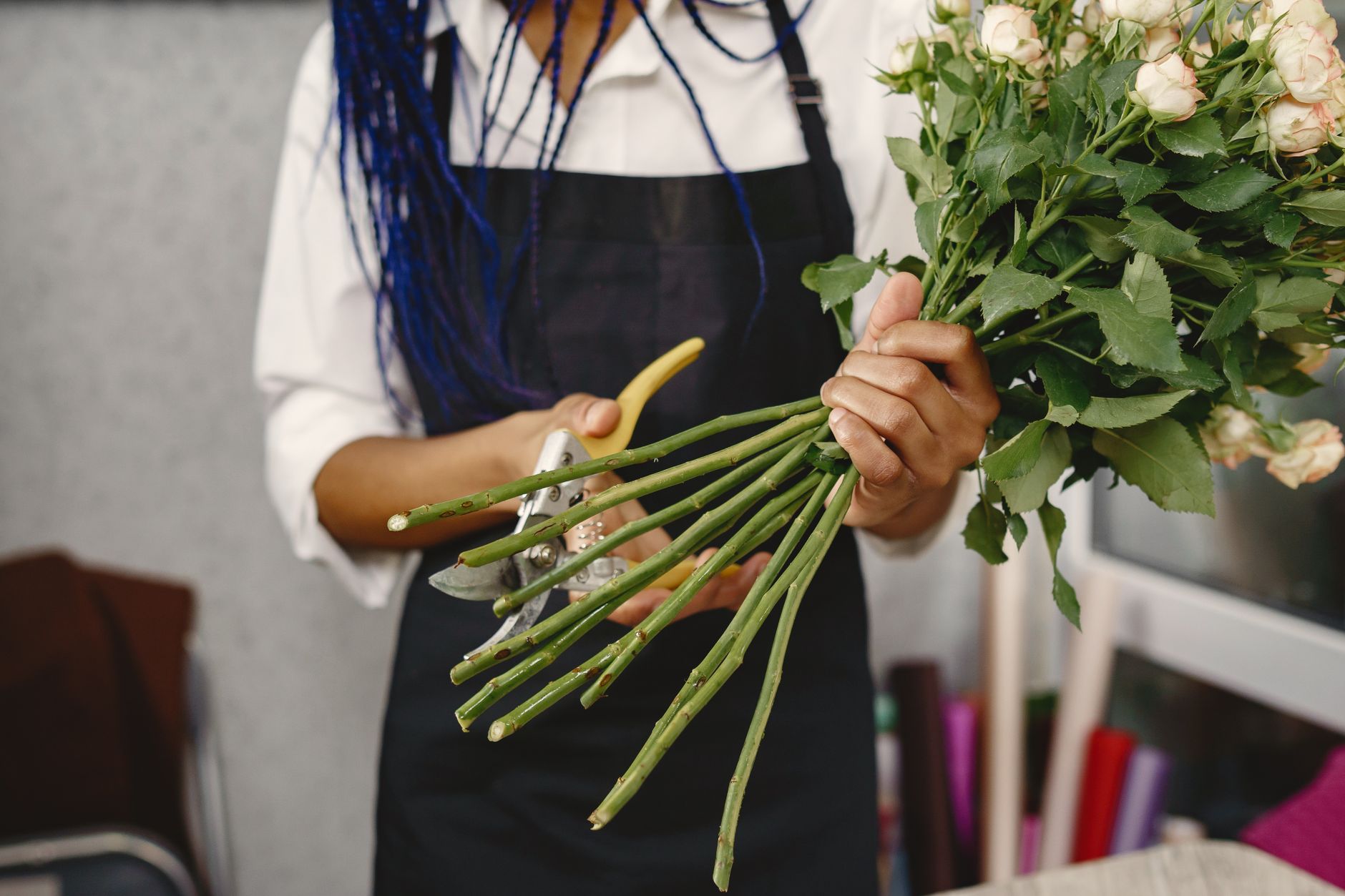
Wear breathable cotton or linen, closed-toe flat shoes, and an apron or dark top you don't mind getting water and stem debris on. Avoid loose sleeves (they snag on thorns and wet stems), jewelry that clinks against vases, and sandals—wet floors and sharp pruning tools need grip. Our bouquet workshop in Hanoi and Ho Chi Minh City runs 2–3 hours indoors with air conditioning, but you'll work with water, soil, and pollen. A drawstring hair tie and short nails help too. Bring a light cardigan or shawl if you're sensitive to cold AC. We provide aprons and pruners, but your foundation—socks, shoes, posture—affects how long you stay focused and steady with the spiral hand-tie technique. Check what to expect before you come. Ask for workshop dates on WhatsApp
Why tropical humidity changes what you should wear
Vietnam's heat and moisture reshape fabric behavior. Linen and cotton breathe; synthetics trap sweat and cling. Our workshops maintain cool AC, but your walk to the studio and the transition between outdoors and indoors matter. Damp fabric sticks to skin, which distracts you during delicate stem conditioning and color-balance work. Lightweight, loose-fitting cotton shirts dry fast if you splash water on yourself. Long sleeves in natural fiber stay comfortable without feeling heavy. Humidity also makes flower stems slip more easily in your hands—moisture reduces grip. Wear socks that absorb sweat; damp feet inside shoes breed blisters during a 2–3 hour session. Shoes with a textured sole grip wet studio floors better than smooth leather. Choose moisture-wicking synthetic socks over cotton, which stays wet longer.
Footwear: Why closed-toe flats beat every other choice
Sandals, heels, and loose shoes don't work in a flower studio. Water spills, stems fall, pruning tools sit on counters—your feet need protection and stability. Flat shoes (sneakers, canvas loafers, flat leather shoes) keep you grounded; you need solid footing to control stem angle during the spiral hand-tie. Heels shift your balance and make you tense; tensed shoulders and arms tire faster. Closed toes shield against sharp leaf edges, thorns, and water splashes that sting exposed skin. Wet soles are slippery—textured sneaker bottoms outperform polished surfaces. Choose shoes you can keep on for 3 hours without discomfort. Many of our students wear everyday athletic shoes or canvas slip-ons. If you prefer stylish options, clean, flat leather or fabric loafers work well. Avoid anything new and stiff; worn-in shoes are kinder to your feet during a workshop.
Jewelry, hair, and nails: Small details that derail focus
Rings, bracelets, and watches snag on thorns and wet stems—you'll pause constantly to disentangle yourself. Long hair falls forward over your work; you'll brush it back a hundred times and get pollen or water in your face. Short, clean nails grip stems without slipping and won't tear delicate petals if you misjudge pressure during arranging. Remove watches before the session; they scratch flower stems and your work surface. Dangling earrings bump vases. A hair tie or clip keeps your head clear. Avoid heavy perfume—flower scents are subtle; strong fragrance masks their natural smell and can distract other students. Many students forget these details and mention them mid-class: "I wish I'd known my bracelet would keep catching the rose thorns." Come prepared.
What beginners wear and what they regret
First-time students often arrive in jeans, tight tops, and "good" shoes—outfits they'd wear to an office or dinner. Jeans dry slowly if wet, and tight sleeves restrict arm movement during wrapping and spiral hand-tie steps. Good shoes feel ruined if water touches them; you'll unconsciously avoid leaning over your work to keep them clean. After one or two classes, students learn: wear something you can afford to stain or dampen slightly. Dark fabrics hide water marks and pollen better than white or pastels. An apron (we provide one) protects your top, but it's easier if you start with darker clothes underneath. Sneakers or canvas shoes let you relax. One personal tip from our experience—students who dress for comfort (not style) make braver color choices, try spiral hand-ties with confidence, and ask more questions. Dress sets mindset.
How to prepare your clothes and body before you arrive
Wash hands thoroughly before class so oils and dirt don't transfer to stems and petals. Clip nails the night before; ragged edges catch flowers. Wear deodorant (water and effort mean you'll sweat slightly). If you have dry or sensitive skin, apply hand lotion 2–3 hours before—wet hands and pruning tools dry skin fast. Choose clothes you've worn before; they're softer and don't restrict movement. Avoid anything freshly dry-cleaned; the chemical smell is intense in a small studio. Tie back long hair securely. Wear socks you like; you'll stand for 2–3 hours, and comfort compounds. Bring a small hand towel if you prefer one (we have paper towels available). Consider the walk or drive to the studio in Hanoi or Ho Chi Minh City heat—if you arrive sweaty and flustered, you'll be less present during stem conditioning and color-balance lessons. Arrive a few minutes early to settle.
| Wear This | Why It Works | What Fails | Duration Tested |
|---|---|---|---|
| Cotton or linen shirt (short or rolled sleeves) | Breathes, dries fast, thorns don't catch | Synthetics, long tight sleeves | 2–3 hour session |
| Flat canvas or athletic shoes | Grip, support, protect toes | Heels, sandals, smooth leather soles | Full workshop |
| Dark cotton pants or skirt | Water marks invisible, free movement | Jeans (slow drying), white fabric (stains show) | Full workshop |
| Apron (provided) + hair tie | Protects top, keeps hair clear | Loose hair, no apron over light clothes | Full workshop |
| Short, clean nails | Don't tear petals, grip stems | Long nails, jagged edges | Spiral hand-tie + wrapping |
| No jewelry or watches | No snagging, no interference | Rings, bracelets, dangling earrings | Full workshop |
What to check before you book your workshop
Before you ask for workshop dates on WhatsApp, confirm a few things. Our flower arranging class and bouquet making workshop pages describe what's included: real imported and local flowers, tools, apron, and your finished bouquet to take home. Confirm the studio address so you know the walk or transport and can dress for the climate on that day. Ask if the room temperature is cool (all our studios use AC) so you can plan layers. If you're attending a private or couples session, mention any physical comfort needs—we can suggest posture adjustments or seating. If you're bringing kids to a kids and family workshop, dress them in clothes that can get wet; children often pour water or brush stems on themselves. For team building or larger hen and birthday parties, team members should wear similar prep—dark, breathable, flat shoes—so no one feels out of place. We reply as soon as we can on WhatsApp to answer specifics.
️ See how a class runs
Honest fabric and footwear mistakes we see every class
A student in a white silk blouse gets a water splash during stem conditioning and spends the next hour distracted. Another in brand-new leather heels stands awkwardly to keep them clean, strains her lower back, and leaves early. A guest with long acrylic nails breaks one on a thorn and sits frustrated. Someone in a tight polyester shirt can't raise their arms to work on taller arrangements. These aren't disasters—we problem-solve in the moment. But comfort and confidence are linked. When you wear clothes suited for water, movement, and heat, you relax. You focus on spiral hand-tie technique, color balance, stem conditioning. You ask questions. You enjoy the flowers. Dress practically, and the experience shifts.
Ask for workshop dates on WhatsApp
Pages from our team you may need
- flower workshop for travelers
- bouquet making workshop
- team building workshop
- private & couple sessions

FAQ
Do I really need to wear closed-toe shoes, or will sandals work?
Closed-toe shoes protect your feet from water splashes, fallen thorns, and sharp leaf edges. Wet floors are slippery; textured soles grip better than sandal straps. We recommend sneakers or canvas flats for stability during the 2–3 hour workshop.
Can I wear jewelry during the bouquet workshop?
Avoid rings, bracelets, and watches—they snag on thorns and wet stems, pulling your focus constantly. Simple earrings that don't dangle are fine. Most students remove all jewelry to work freely on spiral hand-ties and wrapping.
What if I only have formal or dressy clothes?
Wear your most casual option instead. Formal clothes often restrict arm movement and tear or stain easily, which makes you tense. Jeans and a casual shirt work better. If you must wear formal items, bring an apron and old shoes. We provide aprons too.
Is it cold inside the workshop studios in Hanoi and Ho Chi Minh City?
Yes, all our studios use air conditioning to keep you comfortable during hands-on work. Bring a light cardigan or thin shawl if you're sensitive to cool AC. Most students find it refreshing after traveling in the heat.
Can I wash my hands before I start, and will it affect my grip on the stems?
Yes, wash hands before class—it removes oils and dirt that transfer to petals. Dry your hands thoroughly; wet hands slip on stems. If your hands are dry, apply lotion 2–3 hours before class, not just before. This balances moisture without making stems slippery.
What's the difference between what I should wear to a bouquet workshop versus a flower box class?
Both involve water and tools, so the basics are the same: breathable fabric, closed-toe shoes, dark colors, and an apron. Flower box and basket classes sometimes involve slightly heavier containers and lower work surfaces, so flat shoes with good arch support matter even more. Otherwise, dress identically.
Should I wear different clothes if I'm attending as a group for team building?
Wear the same practical basics—breathable top, dark fabric, flat shoes, no jewelry, tied-back hair. For team building workshops, a matching team color or casual uniform makes group photos and the experience feel cohesive. Check with us on WhatsApp for dress code suggestions if your team wants them.
Ask for dates
Tell us the city, the date and how many people. We reply on WhatsApp in English with workshop options and a quote.
FAQ
Do I really need to wear closed-toe shoes, or will sandals work?
Closed-toe shoes protect your feet from water splashes, fallen thorns, and sharp leaf edges. Wet floors are slippery; textured soles grip better than sandal straps. We recommend sneakers or canvas flats for stability during the 2–3 hour workshop.
Can I wear jewelry during the bouquet workshop?
Avoid rings, bracelets, and watches—they snag on thorns and wet stems, pulling your focus constantly. Simple earrings that don't dangle are fine. Most students remove all jewelry to work freely on spiral hand-ties and wrapping.
What if I only have formal or dressy clothes?
Wear your most casual option instead. Formal clothes often restrict arm movement and tear or stain easily, which makes you tense. Jeans and a casual shirt work better. If you must wear formal items, bring an apron and old shoes. We provide aprons too.
Is it cold inside the workshop studios in Hanoi and Ho Chi Minh City?
Yes, all our studios use air conditioning to keep you comfortable during hands-on work. Bring a light cardigan or thin shawl if you're sensitive to cool AC. Most students find it refreshing after traveling in the heat.
Can I wash my hands before I start, and will it affect my grip on the stems?
Yes, wash hands before class—it removes oils and dirt that transfer to petals. Dry your hands thoroughly; wet hands slip on stems. If your hands are dry, apply lotion 2–3 hours before class, not just before. This balances moisture without making stems slippery.
What's the difference between what I should wear to a bouquet workshop versus a flower box class?
Both involve water and tools, so the basics are the same: breathable fabric, closed-toe shoes, dark colors, and an apron. [Flower box and basket classes](https://vietnamflowerworkshop.com/flower-box-and-basket) sometimes involve slightly heavier containers and lower work surfaces, so flat shoes with good arch support matter even more. Otherwise, dress identically.
Should I wear different clothes if I'm attending as a group for team building?
Wear the same practical basics—breathable top, dark fabric, flat shoes, no jewelry, tied-back hair. For [team building workshops](https://vietnamflowerworkshop.com/team-building), a matching team color or casual uniform makes group photos and the experience feel cohesive. Check with us on WhatsApp for dress code suggestions if your team wants them.
More like this
Bouquet workshop
Hand-Tied Bouquet Workshop: A Rainy Day Activity in Hanoi & HCMC
Rain doesn't cancel a hands-on flower workshop—it makes it better. Our indoor hand-tied bouquet sessions turn wet afternoons into creative, keepsake moments across Hanoi and Ho Chi Minh City.
Bouquet workshop
Hand-Tied Bouquet Workshop in Ho Chi Minh City
A hand-tied bouquet workshop teaches you how to condition stems, build a spiral grip, and balance color in minutes—not hours of theory.
Bouquet workshop
Hand-Tied Bouquet Workshop in Hanoi: Learn Spiral Techniques Live
We teach hands-on spiral hand-tie techniques in Hanoi, using real imported and local flowers that you wrap and take home the same day. Sessions run for small groups, couples, and individuals—beginners and experienced arrangers welcome.