
Home › Blog › Workshop guides
Ho Chi Minh City Flower Market Guide: Where to Buy & Learn
By the Vietnam Flower Workshop team · 2026-11-06
Ho Chi Minh City has three main flower markets: Quảng An (largest, early morning wholesale), Hoa Hồng (retail-focused, central location), and scattered street stalls in District 1 and 3. Peak hours are 5–8 am; afternoon prices drop 30–50% but stems wilt faster in the heat. Quality varies wildly—check water uptake (cut a stem at a sharp angle in cold water; if it drinks within 2 hours, it's fresh), avoid petals that bruise, and reject any with brown leaf edges. Expect to pay local prices (roughly half what Western cities charge) and negotiate on bulk orders. Beyond buying, Vietnam Flower Workshop by Hoa Lang Thang offers hands-on workshops in Ho Chi Minh City where you'll learn to condition, arrange, and wrap flowers using market-bought stems—combining market knowledge with floral design skills. Ask for workshop dates on WhatsApp
Which Ho Chi Minh City market should you visit for fresh flowers?
Quảng An market (early morning, wholesale volumes, chaotic but cheapest) suits bulk buyers and florists restocking. Hoa Hồng market (mid-morning, pre-arranged bunches, easier navigation) works for home arrangers. Street stalls near Bến Thành (retail convenience, seasonal stock) serve last-minute needs. Quảng An opens before dawn and empties by 9 am; afternoon visits find picked-over stock and heat-stressed stems. Hoa Hồng runs all day but quality peaks early. Choose Quảng An if you want volume and wholesale pricing; choose Hoa Hồng if you prefer curation and walk-in ease. Each market serves a different buyer—there's no objectively "best" choice.

How do you spot fresh flowers before the heat kills them?
Look for firm petals without soft spots, bright green (not yellow or brown) leaves, clean cut stems with no slime, and water absorption within hours of cutting. Gently press the bloom center—it should feel taut, not papery. Imported roses and dahlias typically survive 5–7 days; tropical species like orchids and anthurium hold 10+ days. Local seasonal blooms (marigolds, zinnias, sunflowers) wilt within 3–4 days because they're bred for quick turnover, not vase life. Ask the vendor when stems were cut; morning-cut flowers are 1–2 days fresher than afternoon stock. Bring a small bucket of cool water to transport stems immediately—leaving them in paper bags at street-market temperatures triggers wilting. The freshest sign is a vendor willing to recut stems at the base while you watch.
What conditioning steps extend vase life in Ho Chi Minh City's heat?
Strip leaves below the waterline (submerged foliage rots and harbors bacteria), cut stems at 45 degrees with sharp shears (crushed stems don't absorb water), and place flowers in room-temperature water with flower food for 2–4 hours before arranging. Change water every 2–3 days, re-cut stems, and keep arrangements out of direct sun, drafts, and air-conditioning vents (sudden temperature swings stress blooms). In 28–32°C humidity, flowers dehydrate faster—mist leaves lightly each morning and position vases on trays of water to slow evaporation. Avoid fruit bowls nearby (ethylene gas from ripening bananas, mangoes, and apples accelerates petal drop). Conditioning isn't glamorous, but it's the difference between 3-day wilting and 7-day freshness. Learn conditioning techniques hands-on in our flower arranging class—we show you exactly how to prepare market-bought stems.
️ See how a class runs
How much should you expect to pay at Ho Chi Minh City markets?
Price varies by season, bloom type, and market tier. Wholesale (Quảng An) typically costs 40–60% less than retail (Hoa Hồng), which costs 30–50% less than florist markup. Single imported stems (roses, lisianthus, spray roses) run the lowest prices; tropical and orchid varieties command 2–3× more. Bulk orders (50+ stems) attract heavy discounts; single bunches don't. Seasonal flowers (chrysanthemums in autumn, sunflowers in spring) are cheapest; out-of-season imports cost triple. Negotiate on volumes above 100 stems—most vendors expect bargaining and leave room. Street stalls undercut market prices by 10–20% because overhead is lower, but stock rotates faster so freshness is a gamble. Pricing is transparent once you compare 3–4 vendors; most charge per stem, not bunches, so you control quantity exactly. If you're planning an event or gift, ask us for a quote on WhatsApp—we source directly and can often match or beat market prices while handling conditioning and delivery logistics.
Can you learn to arrange while sourcing from markets?
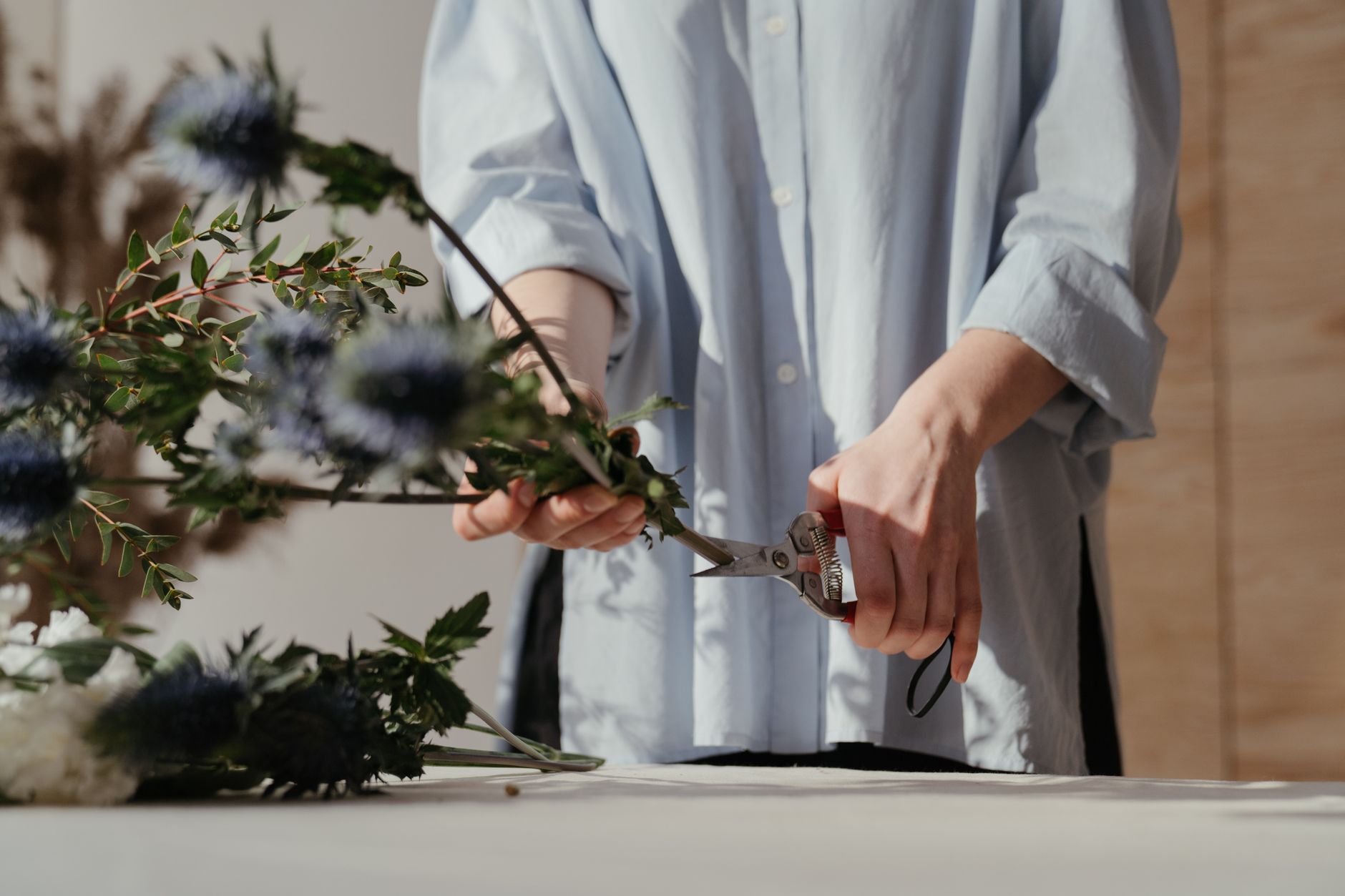
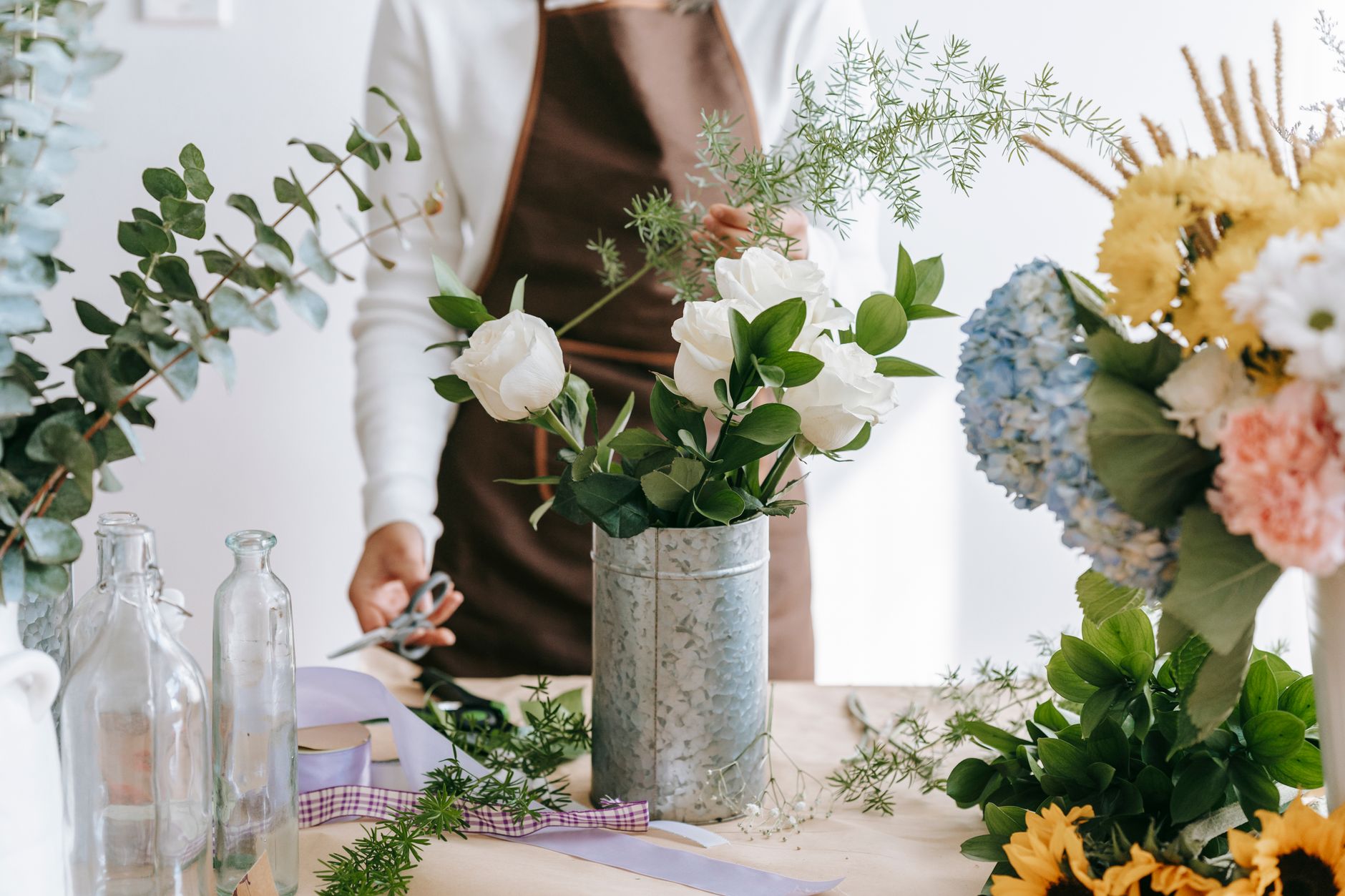
Absolutely. Many arrangers shop Quảng An at dawn, bring stems home, condition them for 2–4 hours, then arrange that afternoon. This approach costs less, teaches you which varieties hold up longest in your space, and builds vendor relationships. However, beginners often struggle with stem selection (avoiding bruises, checking water uptake) and don't know how long conditioning will take before an event. Our bouquet workshop teaches you to recognize quality on the fly, condition efficiently, and create hand-tied designs that work with whatever you've sourced. We also run tourist-focused workshops where travelers combine a brief market tour with a same-day arranging session—you buy blooms, we teach technique, you take a finished arrangement home. For groups or team events, our team-building workshop adapts: we source fresh blooms or you bring market finds, and we guide 5–20 people through design together.
Comparison: Where to Buy vs. Learn to Arrange
| Option | Best for | Freshness | Cost basis | Time needed |
|---|---|---|---|---|
| Quảng An market, solo | Budget buyers, florists, bulk orders | Peak (6–8 am only) | Lowest wholesale rates | 30–60 min |
| Hoa Hồng market, solo | Home arrangers, casual shoppers | Medium (all day) | Mid-retail markup | 20–45 min |
| Street stalls + home arranging | DIY enthusiasts, gifts | Medium (varies by vendor) | Low-mid retail | 2–3 hrs including conditioning |
| Workshop + sourced blooms | Learners, couple dates, teams, gifts | High (we condition) | Workshop fee + stems | 1.5–2 hrs hands-on |
| Workshop + market tour | Travelers, experiential learners | High (you source + we condition) | Workshop fee, your market spend | 2–3 hrs total |
What to check before you visit or buy
- Timing: Markets peak 5–9 am; afternoon stock is cheaper but wilted. Plan accordingly.
- Transport: Bring a small bucket, water bottle, or insulated bag. Stems dehydrate in open air within 30 minutes at 28°C+.
- Vendor relationships: Revisit the same stall. Vendors remember good customers and often reserve premium stock or offer better prices.
- Seasonality: Ask what's local vs. imported. Local is fresher and cheaper; imports take 2–4 days to arrive and may have traveled in uncontrolled temperatures.
- Event deadlines: If arranging for an event, buy no more than 24 hours before (24–36 hours is maximum safe vase life without professional conditioning).
- Heat mitigation: Arrange in early morning or evening when it's cooler. Direct sun in your workspace cuts vase life in half.
- Stem count: Markets sell by the stem, not bunches. Decide your arrangement size before you shop to avoid overspending.
Ask for workshop dates on WhatsApp
Learning alongside market sourcing
Many of our private and couple sessions include a market-sourcing component: you learn what to look for, we walk you through stem selection, and you arrange that day. For kids and families, our kids and family workshop uses pre-selected fresh flowers so young arrangers focus on design without overwhelming them with market choices. Seasonal offerings—like our seasonal workshops for Tet flowers, Christmas wreaths, and lotus arrangements—source blooms directly from suppliers and teach you to work with what's in season locally. If you're serious about floral design, our floral design course includes market knowledge modules, where we cover sourcing for events, assessing stem quality, and conditioning timelines that real florists use.
The gap between Ho Chi Minh City's bustling flower markets and a polished arrangement is skill, not magic. Conditioning, hand-tie technique, and color balance—the same foundations vendors use daily—are teachable. The heat challenge is real: 28–32°C humidity stresses blooms fast, but proper water management, strategic placement, and same-day arranging solve it. Whether you're sourcing solo or learning in a workshop, the market teaches you what's in season, builds your eye for freshness, and connects you to prices you can't replicate anywhere else. Visit early, ask questions, and don't shy away from negotiating on bulk—vendors expect it and respect the hustle.
️ See how a class runs
FAQ
What time should I visit Ho Chi Minh City flower markets?
Arrive by 6–7 am for peak freshness and full stock selection. By 10 am, popular stems are picked over. Afternoon visits (3–5 pm) offer price drops but stems have wilted in heat; avoid unless you're arranging immediately.
How do I know if a flower has been sitting too long?
Press the bloom center gently—if it feels papery or collapses slightly, it's dehydrated. Check leaves for browning or yellowing at edges. Ask the vendor when stems were cut; reputable stalls give honest answers.
Can I negotiate prices at Ho Chi Minh City markets?
Yes, especially for orders above 50–100 stems or at the end of the day (3–5 pm when vendors want to clear stock). Street-stall prices are usually fixed and lower than market stalls, so less negotiation is typical.
How long do market-bought flowers last in Ho Chi Minh City's heat?
With conditioning and care, 5–7 days for common varieties (roses, chrysanthemums); 10+ days for orchids and anthurium. Tropical blooms and sunflowers hold 4–6 days. Heat and low humidity cut vase life by 1–3 days if you skip conditioning.
Should I buy imported or local flowers at the market?
Local seasonal blooms are fresher, cheaper, and support local growers. Imported varieties (especially roses and lisianthus) offer color range and consistency but arrive in coolers after 2–4 days, so they're slightly older. Choose local for maximum freshness; imports for color choice.
Do I need to attend a workshop to arrange market flowers well?
No, but conditioning and hand-tie technique make a big difference. Our flower arranging class teaches you to select, prepare, and design with market-sourced stems—it's designed for people who want to DIY confidently after their first session.
Ask for dates
Tell us the city, the date and how many people. We reply on WhatsApp in English with workshop options and a quote.
FAQ
What time should I visit Ho Chi Minh City flower markets?
Arrive by 6–7 am for peak freshness and full stock selection. By 10 am, popular stems are picked over. Afternoon visits (3–5 pm) offer price drops but stems have wilted in heat; avoid unless you're arranging immediately.
How do I know if a flower has been sitting too long?
Press the bloom center gently—if it feels papery or collapses slightly, it's dehydrated. Check leaves for browning or yellowing at edges. Ask the vendor when stems were cut; reputable stalls give honest answers.
Can I negotiate prices at Ho Chi Minh City markets?
Yes, especially for orders above 50–100 stems or at the end of the day (3–5 pm when vendors want to clear stock). Street-stall prices are usually fixed and lower than market stalls, so less negotiation is typical.
How long do market-bought flowers last in Ho Chi Minh City's heat?
With conditioning and care, 5–7 days for common varieties (roses, chrysanthemums); 10+ days for orchids and anthurium. Tropical blooms and sunflowers hold 4–6 days. Heat and low humidity cut vase life by 1–3 days if you skip conditioning.
Should I buy imported or local flowers at the market?
Local seasonal blooms are fresher, cheaper, and support local growers. Imported varieties (especially roses and lisianthus) offer color range and consistency but arrive in coolers after 2–4 days, so they're slightly older. Choose local for maximum freshness; imports for color choice.
Do I need to attend a workshop to arrange market flowers well?
No, but conditioning and hand-tie technique make a big difference. Our [flower arranging class](/flower-arranging-class) teaches you to select, prepare, and design with market-sourced stems—it's designed for people who want to DIY confidently after their first session.
More like this
Workshop guides
Things to Do in Saigon Flower Workshop: Hands-On Classes for Travelers
A flower workshop in Ho Chi Minh City lets you create and take home your own arrangement in a single session, combining relaxation with a tangible craft memory of Vietnam.
Workshop guides
Things to Do in Hanoi Old Quarter: Flower Workshop & Classes
A flower workshop in Hanoi's Old Quarter teaches you to design and wrap fresh bouquets and arrangements using imported and local blooms. You'll work with a florist, condition stems, balance color, and leave with a professional piece the same day.
Workshop guides
Things to do in Hoan Kiem flower workshop: hands-on classes & designs
At Vietnam Flower Workshop by Hoa Lang Thang in Hanoi, you'll arrange real imported and local blooms, take your designs home, and learn techniques that survive Vietnam's heat. We run beginner-friendly sessions daily for travelers, couples, teams, and families.