
Home › Blog › Floral design course
Floral Design Course: What to Wear & Why It Matters
By the Vietnam Flower Workshop team · 2026-11-06
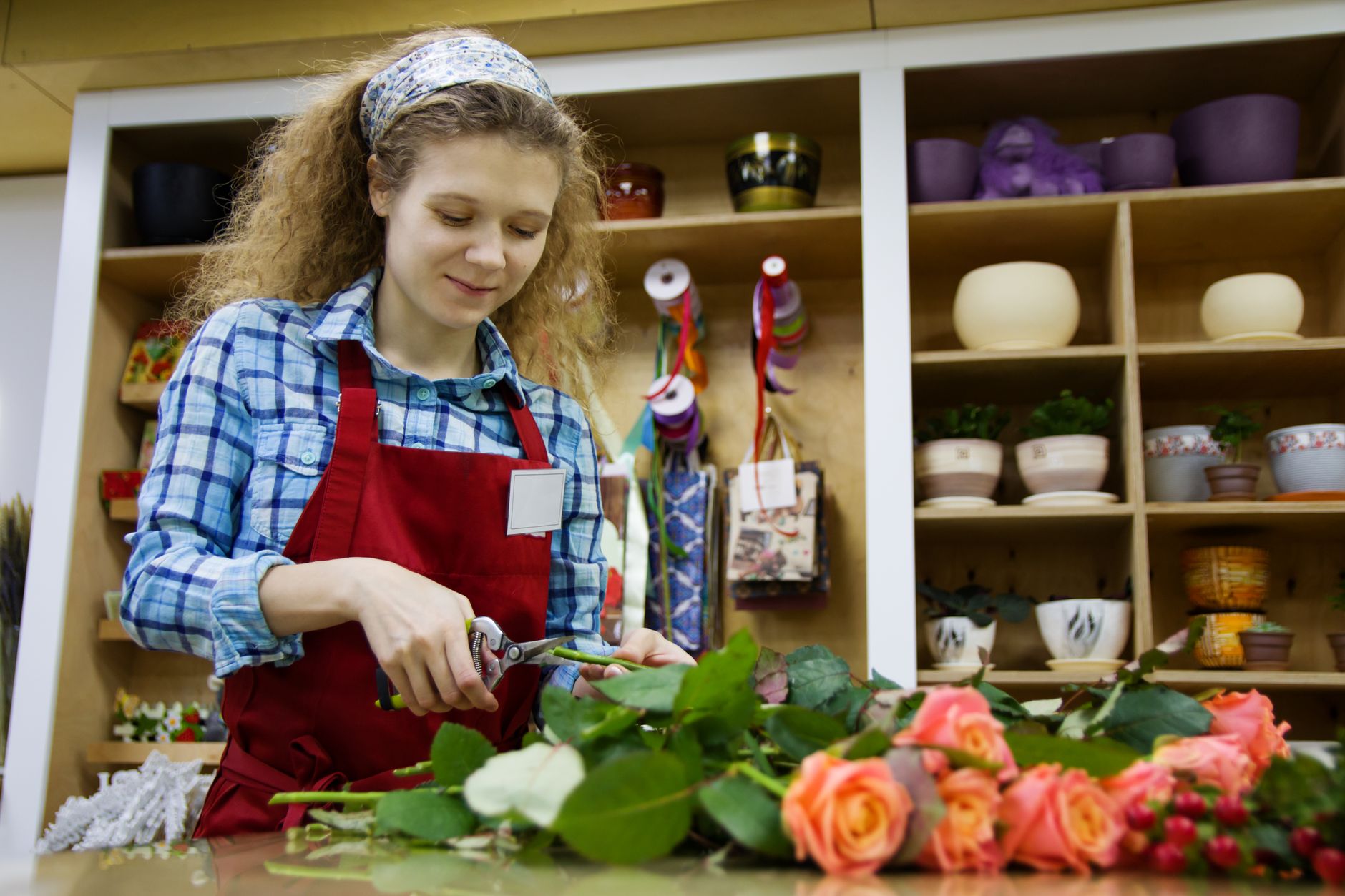
Wear closed-toe shoes with good grip, water-resistant trousers or a skirt, and a short-sleeved or sleeveless top you don't mind getting wet or stained—stems shed water, foliage stains, and thorns catch fabric. At Vietnam Flower Workshop by Hoa Lang Thang in Hanoi and Ho Chi Minh City, most students choose lightweight cotton or linen pants, comfortable sneakers or gardening clogs, and an apron (which we provide). Avoid loose sleeves that dangle into arrangements, dangling jewelry that catches thorns, and anything you'd panic about ruining. The room is air-conditioned but stays cool only when doors are closed; bring a light sweater if you're heat-sensitive. A session lasts 2–3 hours of hands-on work—hydration and movement matter more than looking polished. Skip heavy makeup or nail polish if thorns worry you; focus on what lets you grip scissors and stems confidently. Ask for workshop dates on WhatsApp
Why closed-toe shoes matter in a flower workshop?
Fallen thorns, sharp floral stems, and wet floors are everyday hazards in a design space. Closed-toe shoes with rubber or textured soles prevent cuts, protect against dropped scissors, and stop your foot from sliding on damp concrete when you step back to view your work. Open sandals leave your toes exposed to thorns and leave you unsteady when walking between work stations carrying water or heavy stems. We've seen students in flip-flops slip while turning to grab a container—not dangerous, but it breaks focus. Wear trainers, gardening clogs, or closed slip-ons with grip.
What fabrics survive water, greenery stains, and heat?
Lightweight cotton or cotton-blend trousers, linen pants, or knee-length skirts in pale or patterned colors hide minor stains better than white. Avoid polyester or silk; both feel clammy in Hanoi and Ho Chi Minh City's humidity and stain more visibly when wet. Dark jeans work but can feel heavy and hot during a 2–3 hour session indoors. Bring a change of top if you're sensitive to wet fabric against your skin—chlorophyll from stems often leaves green marks that wash out but feel uncomfortable while wet. We provide aprons to most students; still, water splashes during stem conditioning and foliage stripping happen. Floral foam, flower food powder, and mud from fresh stems don't always rinse immediately. Choose colors and weaves you'd wear on a casual day anyway; comfort beats fashion here.
Does jewelry or nail polish cause problems in floral design?
Long nails and dangling bracelets catch on thorns, tear thin petals, and slow your work when you have to unpick fabric from a rose thorn. Thin gold chains and drop earrings snag on stems and cost focus when you're concentrating on a spiral hand-tie. We don't forbid jewelry, but most experienced florists remove bracelets and wear stud earrings only. Nail polish is fine—gloves are optional for students who prefer them. Short, clean nails let you strip thorns and leaves with your fingers faster than pulling a glove on and off throughout the session. If your nails are long or you're uncomfortable, we have latex-free gloves available; just ask on WhatsApp when you book. The goal is unobstructed hand movement, not a dress code violation.
How do you stay cool in a floral design course during Vietnam's heat?
Our workshops in Hanoi and Ho Chi Minh City are air-conditioned, but the temperature drops only when all doors close—a necessary trade-off to keep flower petals from wilting faster indoors. Wear breathable, loose-fitting sleeves or go sleeveless if you're comfortable; short sleeves let your arms move freely without clinging when you're bent over conditioning stems or wrapping a bouquet. Linen and cotton wick moisture better than synthetics. Bring a water bottle and rehydrate every 30–40 minutes; dehydration makes you impatient with detailed work like spiral binding. Some students wear a light cardigan or overshirt they can remove—the temperature can shift if we open a door for ventilation or adjust the AC. A baseball cap or hair tie keeps hair out of your face and off wet stems. Expect to feel warm but not overheated; it's a working environment, not a fashion shoot.
What's the honest dress-code comparison for group vs. private sessions?
| Session Type | Shoe Requirement | Top Recommendation | Bottoms | Why It Differs |
|---|---|---|---|---|
| Group workshop | Closed-toe, textured sole | Short sleeves, cotton | Trousers or skirt | More movement; shared space safety. |
| Private/couple session | Same (safety universal) | Your choice (apron covers most) | Same comfort rule | Fewer people = slightly less splashing; still treat water and thorns as present. |
| Kids & family workshop | Closed-toe mandatory | Short sleeves, fun color | Easy-wash pants | Children move unpredictably; grip matters. Parents often wear what kids wear. |
| Team building | Same as group | Matching polo optional (pre-book if required) | Shorts OK if knee-high socks added | Larger groups = more crowded stations; thorns hit legs more. |
| Seasonal (Tet wreaths, Christmas) | Closed-toe | Long sleeves optional (dried thorns catch differently) | Same | Dried foliage is sharper; sleeves reduce scratches. |
The unifying rule: closed shoes always, water-resistant top, nothing loose around hands or face. Group sessions are louder and more active—wear what you'd wear to a cooking class where splashing is expected.

How do beginners often get their dress wrong?
Most first-timers wear denim jeans, thinking durability = comfort. Jeans absorb water, take hours to dry, and feel restrictive when you're learning a spiral hand-tie technique that requires full arm rotation. We've had students regret it within 20 minutes and ask to borrow an apron they could have prevented by wearing lighter pants. The second mistake: long sleeves in summer. They get damp from handling wet stems and stick to your arm, distracting you when you're trying to hold a bouquet at the right angle. Third: brand-new white trainers or pristine sneakers. Floral foam dust, moss, and greenery don't wash out immediately—wear shoes you already own and don't mind if they stain slightly. Fourth: dangling necklaces and rings with stones. A thorn catches your chain mid-spiral, you flinch, the whole bouquet shifts. Ask us for specific guidance when you book a session on WhatsApp—we can answer questions about what you already own.
Ask for workshop dates on WhatsApp
A practical packing checklist for your first floral design class.
- Closed-toe shoes with textured soles (trainers, clogs, or slip-ons).
- Water-resistant trousers or a skirt in a color you don't mind staining slightly.
- A short-sleeved or sleeveless top you're happy to get damp or marked.
- Optional: a second top to change into if wet fabric bothers you.
- Hair tie or clip if your hair is shoulder-length or longer.
- Minimal jewelry (stud earrings OK; remove bracelets).
- A water bottle (not provided; drink often in the heat).
- Sunscreen or lip balm (if you're sensitive; apply before class).
- A small bag or backpack for your phone, keys, and the arrangement you'll take home.
- A sense of humor about potential stains; they fade.
We provide aprons, floral scissors, conditioning buckets, flower food, and all blooms. You bring your willingness to learn and a willingness to get your hands dirty—literally.
What to check before you book a floral design course.
Confirm your shoe choice fits the "closed-toe" rule – send a photo on WhatsApp if you're unsure. Know your session length – ask us on WhatsApp when you explore our floral design course page; longer sessions mean drier, more comfortable clothes matter more. If you have allergies to pollen or latex, mention it when you contact us; we can suggest adjustments. For kids or teens, confirm the age range so we know if knee-high socks or smaller apron sizes are needed. If you're joining a group, expect closer quarters and more potential for splashing—dress defensively, not optimistically.
Ready to find your ideal session?
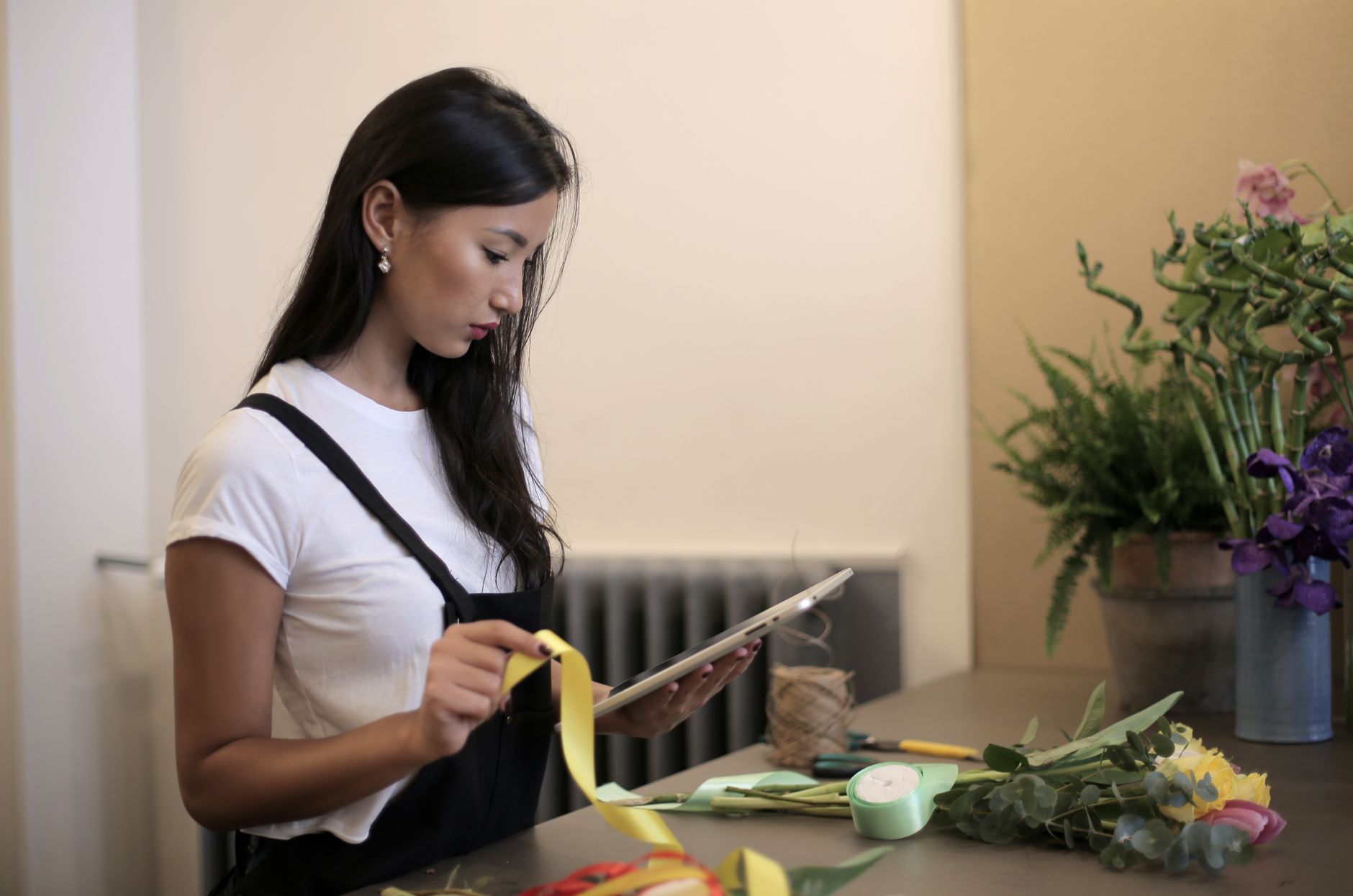
We run flower arranging classes, bouquet-making workshops, private and couple sessions, kids and family workshops, team-building sessions, and flower box and basket classes in Hanoi and Ho Chi Minh City. Each has the same dress-code foundation—comfort, water resistance, closed shoes, free movement—but different energy. Whether you're a tourist exploring Vietnamese flower culture or a local looking to deepen your skills, we reply as soon as we can on WhatsApp to answer questions about what to wear for your session.
️ See how a class runs
FAQ
Can I wear sandals or open shoes to a floral design class?
No. Floral stems are sharp, thorns drop on floors, and scissors are always nearby. Closed-toe shoes with textured soles prevent cuts and keep you stable on wet ground. Open sandals leave your toes unprotected and make you slip when moving between water stations.
What if I stain my clothes—is that normal?
Yes. Chlorophyll from stems leaves green marks; floral foam dust clings to fabric; flower food powder doesn't rinse immediately. Choose clothes you're comfortable getting slightly stained. Most marks wash out in one or two cycles. We provide aprons, but they don't cover everything.
Do I need gloves?
No, but you can use them. Short, clean nails let you work faster and feel thorns before they scratch you. If your nails are long or you prefer protection, we have latex-free gloves; just ask when you book on WhatsApp.
Is the workshop air-conditioned?
Yes, our spaces in Hanoi and Ho Chi Minh City are air-conditioned. Wear breathable fabrics and bring water. Temperatures can shift slightly when doors open for ventilation, but expect a comfortable working environment, not a cold room.
Should I wear different clothes for different workshop types?
The core rule—closed shoes, water-resistant top and bottom, no loose sleeves—applies to all. Group workshops are more active, so comfort matters more. Private sessions are the same for safety. Kids' workshops need easy-wash fabrics. Team-building events can feel cramped, so wear what you'd wear to a cooking class.
Can I wear jewelry or nail polish?
Jewelry is optional; avoid dangling bracelets and long chains that snag thorns. Stud earrings are fine. Nail polish is OK. Long nails are slower to work with but not forbidden—gloves help if you prefer. The goal is unobstructed hand movement, not a dress code.
What if I'm cold-sensitive or heat-sensitive?
Bring a light cardigan you can remove if you warm up. The AC is steady but not frigid. If you're heat-sensitive, wear sleeveless and linen. Bring water and take breaks. Ask us on WhatsApp before you book so we can confirm room temperature and timing for your comfort.
Ask for dates
Tell us the city, the date and how many people. We reply on WhatsApp in English with workshop options and a quote.
FAQ
Can I wear sandals or open shoes to a floral design class?
No. Floral stems are sharp, thorns drop on floors, and scissors are always nearby. Closed-toe shoes with textured soles prevent cuts and keep you stable on wet ground. Open sandals leave your toes unprotected and make you slip when moving between water stations.
What if I stain my clothes—is that normal?
Yes. Chlorophyll from stems leaves green marks; floral foam dust clings to fabric; flower food powder doesn't rinse immediately. Choose clothes you're comfortable getting slightly stained. Most marks wash out in one or two cycles. We provide aprons, but they don't cover everything.
Do I need gloves?
No, but you can use them. Short, clean nails let you work faster and feel thorns before they scratch you. If your nails are long or you prefer protection, we have latex-free gloves; just ask when you book on WhatsApp.
Is the workshop air-conditioned?
Yes, our spaces in Hanoi and Ho Chi Minh City are air-conditioned. Wear breathable fabrics and bring water. Temperatures can shift slightly when doors open for ventilation, but expect a comfortable working environment, not a cold room.
Should I wear different clothes for different workshop types?
The core rule—closed shoes, water-resistant top and bottom, no loose sleeves—applies to all. Group workshops are more active, so comfort matters more. Private sessions are the same for safety. Kids' workshops need easy-wash fabrics. Team-building events can feel cramped, so wear what you'd wear to a cooking class.
Can I wear jewelry or nail polish?
Jewelry is optional; avoid dangling bracelets and long chains that snag thorns. Stud earrings are fine. Nail polish is OK. Long nails are slower to work with but not forbidden—gloves help if you prefer. The goal is unobstructed hand movement, not a dress code.
What if I'm cold-sensitive or heat-sensitive?
Bring a light cardigan you can remove if you warm up. The AC is steady but not frigid. If you're heat-sensitive, wear sleeveless and linen. Bring water and take breaks. Ask us on WhatsApp before you book so we can confirm room temperature and timing for your comfort.
More like this
Floral design course
Learn Floristry: What to Expect in Our Hanoi & Ho Chi Minh City Workshops
Floristry workshops teach you to arrange, wrap, and condition flowers in a single session. We run beginner-friendly classes in Hanoi and Ho Chi Minh City where you design pieces to take home.
Floral design course
Learn Floristry in Vietnam: Hands-on Classes in Hanoi & HCMC
Vietnam Flower Workshop by Hoa Lang Thang teaches floristry hands-on in Hanoi and Ho Chi Minh City, using imported and local flowers. Sessions run from beginner hand-tied bouquets to advanced seasonal design.
Floral design course
Learn Floristry in English: Hands-On Classes in Hanoi & Ho Chi Minh City
Vietnam Flower Workshop by Hoa Lang Thang teaches floristry in English through hands-on sessions in Hanoi and Ho Chi Minh City. Learn conditioning, spiral wrapping, color balance, and design theory from real florists using imported and local flowers you take home.