
Home › Blog › Floral design course
Learn Floristry in Vietnam: Hands-on Classes in Hanoi & HCMC
By the Vietnam Flower Workshop team · 2026-11-06
Learn floristry at Vietnam Flower Workshop by Hoa Lang Thang in Hanoi and Ho Chi Minh City through hands-on classes where you arrange real flowers and take your work home. Sessions cover conditioning stems, spiral hand-tying, color balance, and wrapping techniques. We teach travelers, expats, couples, families, and corporate groups in English. A typical session includes flower selection, step-by-step demonstration, guided arranging with personal feedback, and wrapping instruction. We use imported and local blooms adapted to Vietnam's heat. Availability and session details are confirmed on WhatsApp—ask for a quote and current dates. Ask for workshop dates on WhatsApp
What does a floristry session actually teach—step by step?
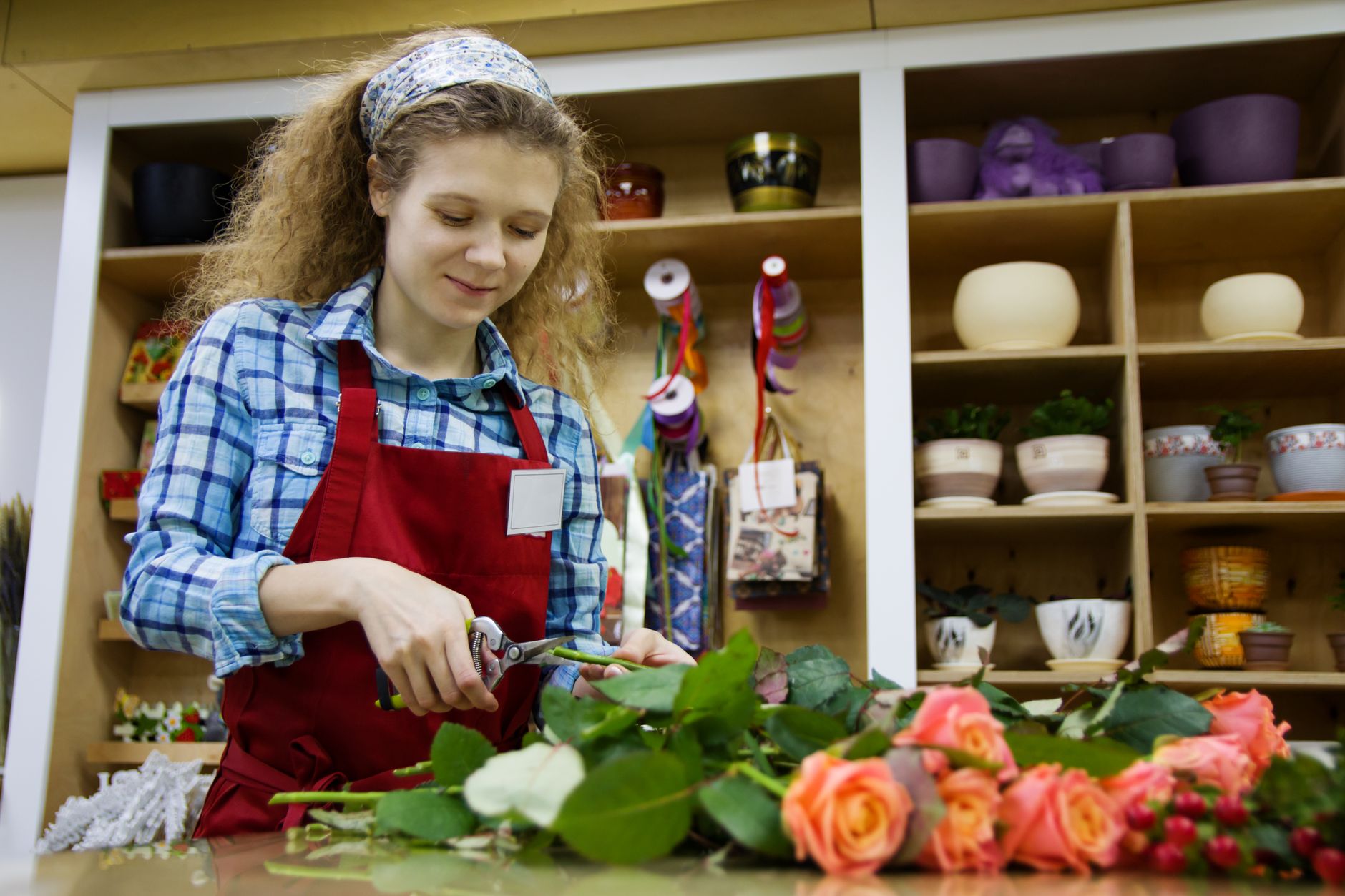
A typical session runs as hands-on practice, not lecture. You arrive, we greet you and discuss what you want to learn—a hand-tied bouquet, a low arrangement, a seasonal piece. We show you how to condition stems: stripping lower leaves, cutting at a 45-degree angle under water, removing thorns. Then we demonstrate the spiral hand-tie technique: rotating the stems in your palm, layering colors and textures, keeping the binding point tight. You then build your own arrangement with our guidance, learning to balance height, color, and focal flowers. We teach wrapping last—kraft paper, ribbon, technique for a professional finish. Most sessions end with you holding your finished piece, ready to photograph and take home. The entire arc takes around three hours total, though exact timing depends on group size and experience level.

Why is floristry harder in Vietnam's heat—and how do we solve it?
Vietnam's tropical humidity and heat stress blooms faster than in temperate climates. Roses wilt visibly after 6–8 hours without conditioning; tropical varieties like celosia and anthurium last longer but still need cool water and shade. We solve this by selecting heat-resilient flowers—local chrysanthemums, hypericum berries, greenery that thrives locally—and teaching you to condition aggressively: ice water, floral food, stem scrapers. We also demonstrate how to mist arrangements lightly and keep them out of direct sunlight. For workshops held mid-day, we use a cooled indoor space and provide cool water buckets. If a class runs during the hot season (April–September), we brief travelers on how to transport their finished piece in a bag with a damp cloth underneath—it buys you another 4–6 hours. This is practical knowledge no textbook teaches in temperate climates.
How do we teach kids and family groups differently?
Floristry for children under 12 needs shorter focus windows and safer tools. We swap scissors for pre-cut stems, remove thorns before kids handle them, and simplify designs to three main colors and one flower type. A kids' session might be 90 minutes instead of three hours, with plenty of play and storytelling about where flowers grow. Family groups often work as pairs—one adult, one child—so we teach adults spiral tying while kids learn color balance and water care by helping. We use softer flowers like carnations and alstroemeria instead of roses with sharp thorns. The goal shifts from professional technique to joy, confidence, and a memory of creating something together. We've found family sessions work best on weekends in a relaxed, low-pressure setting.
️ Explore family and kids workshops
What do beginners struggle with most—and what's the fix?
Most beginners fail at stem conditioning and spiral hand-tie tension. Unconditioned stems dehydrate fast; weak wrapping breaks under pressure. Our fix: we practice conditioning live before the arrangement starts. You hold a stem, angle it properly, feel the water uptake difference. For spiral tying, we teach you to hold the binding point with your thumb and forefinger while rotating stems with your other three fingers—it takes 3–5 practice rotations to feel natural. Another sticking point is color: beginners bunch similar colors together instead of distributing them. We teach a simple rule: repeat each color at least three times in different spots. We also show you how to lay stems on the table first, arranged by height and color, before picking up the bouquet—this visual preview prevents mid-tying confusion. Patience and repetition matter more than talent here.
How do we run sessions for corporate teams and what makes them work?
Team building sessions teach floristry as a creative break from screen work. A group of 6–12 people works through the same session—conditioning, design, wrapping—but each person leaves with a unique arrangement. We emphasize collaboration in the demo but personal expression during arranging; it builds camaraderie without forced icebreakers. Most team sessions run 2–2.5 hours: 15 minutes arrival, 20 minutes demo, 90 minutes hands-on, 15 minutes wrapping and photos. We've found that mixed-experience groups work well—experienced colleagues help newbies without tension. We also teach teams why floristry matters in Vietnam: flower markets, seasonal customs, gift culture. A session in a conference room or outdoor space (rainy days move indoors) leaves participants relaxed and proud of what they made. This beats typical trust falls and ice breakers for actual team connection.
️ Explore team building workshops
Choosing the right floristry workshop: comparison table
| Workshop type | Best for | Session length | What you make | Group size | What to check first |
|---|---|---|---|---|---|
| Hand-tied bouquet | Travelers, gift-givers | 2–3 hours | One finished bouquet | 1–6 | Flower types available that week |
| Flower arranging | Beginners wanting basics | 2.5–3 hours | One low or tall arrangement | 1–8 | Whether you prefer hands-on demo or lecture |
| Seasonal design | Christmas, Tet, holidays | 2.5–3 hours | Wreath, garland, or festive piece | 2–8 | Dates align with your holiday calendar |
| Private couple session | Anniversaries, dates | 2–3 hours | One shared or two arrangements | 2 | Availability on your preferred date |
| Kids & family | Ages 6–14 with adults | 1.5–2 hours | Simple, safe design | 4–8 total | Age limits and whether you want adult-only moments |
| Team building | 6+ staff, corporate event | 2–2.5 hours | One arrangement per person | 6–15 | Venue (ours or yours), rainy-day backup |
| Longer course | Career learners, deep practice | 4–10 sessions, weeks | Portfolio of designs | 2–4 | Your timeline, prior experience, availability |
Ask for workshop dates on WhatsApp
Seasonal workshops: what's available and why it matters
Floristry in Vietnam shifts with festivals and local flower availability. Tet (Lunar New Year) brings demand for auspicious colors—red, gold, pink—and we teach how to combine them in traditional arrangements using locally sourced branches and chrysanthemums. Christmas workshops in November–December teach Western wreath and garland techniques adapted to tropical flowers. Summer (June–August) focuses on heat-resistant arrangements with anthurium, celosia, and preserved greenery. We choose flowers in stock that week—no guessing weeks ahead. This keeps costs fair and arrangements fresh. Seasonal knowledge is practical: you learn why certain flowers suit certain times, and what to ask for when you buy flowers locally after the workshop.
What to check before you book a floristry session
- Confirm availability on WhatsApp. We operate in Hanoi and Ho Chi Minh City only. Reply as soon as we can; mind time differences if booking internationally.
- Specify your goal. Are you a gift-giver learning bouquets, a traveler seeking an experience, a couple wanting a date, a team needing building, or a career learner? Each suits a different session type.
- Mention group size and mix. Solo, couple, small group, family with kids, or corporate team? We adapt content and pacing to fit.
- Ask about flowers in stock that week. We use real, seasonal blooms. Availability changes; we'll confirm what's fresh.
- Clarify your experience level. Beginner, some arranging, or advanced? We pitch the demo and hands-on time accordingly.
- Check the venue. Our Hanoi and Ho Chi Minh City workshops operate in dedicated spaces. Ask if you need rain-day backup or prefer to bring the session to your location.
How to try spiral hand-tying at home—right now
Pick five stems of similar height (roses, carnations, any firm flower works). Strip the lower 2 inches of leaves. Cut each stem at a 45-degree angle under running water. Hold one stem upright in your left hand (reverse if left-handed). Take a second stem and rotate it 45 degrees around the first, gripping both where they cross. Add the third stem, rotating 45 degrees again. Repeat with stems 4 and 5. Feel the binding point tighten as you spiral? That tension is the hand-tie. Now wrap that binding point tightly with floral tape or string—two or three full wraps. Trim all stems to the same length below the binding point. Place in a vase with conditioned water. This is the core technique every floristry student learns. It looks simple; it takes practice to feel natural, and we teach this live in every flower arranging class.
Advanced techniques: when to move beyond beginner classes
After one or two hand-tied bouquet workshops, you're ready for arrangement in foam, complex color theory, and multi-textured designs. This is where our longer floral design course begins. You learn how to build height, create visual flow, and layer opaque and transparent blooms. You also learn to work with seasonal constraints—why certain combinations work in summer but not winter, how to substitute flowers when your first choice isn't available. Advanced students often move to private sessions or work-study arrangements where we refine their style. This progression takes weeks or months, not hours. We recommend longer courses for people planning to gift flowers regularly, study design seriously, or work toward side income from arrangements.
️ Explore our floral design courses
Travelers and expats: why floristry workshops beat typical tours
Flower arranging sits at the intersection of craft, culture, and tangible memory. You learn a practical skill, take home a real object you made with your hands, and understand Vietnamese flower markets and seasonal traditions. Unlike a walking tour, you're not observing—you're creating. Expats often book regular sessions to stay connected to local flowers and rhythms. Travelers use workshops as a half-day break from temple runs and street food tours. Both groups appreciate that we teach in English, use real flowers (not silk), and let you walk out with your work. A session is also quieter than group sightseeing—you focus, your hands work, conversation flows naturally. We've found that travelers remember the floristry session longer than most tourist activities because they made something and learned to see flowers differently.
Why private and couple sessions beat group workshops for some learners
If you want personalized feedback, custom flowers, or zero pressure from other people, a private session is worth it. We tailor the demo to your pace, focus on techniques you specifically struggle with, and can shift gears if you want to try a second design type mid-session. Couples often use private sessions for anniversaries or date ideas—you build two arrangements side by side, chat with the instructor, and get photos. We also run private sessions for people who work odd hours or want sessions outside our regular calendar. The investment is higher than group workshops, but you leave with skills tuned exactly to your goals and comfort level.
Book a private or couple session
Do you need prior flower knowledge to learn floristry in Vietnam?
No. Beginners start with stem care, color basics, and simple spiral hand-tying. We teach from zero. Prior gardening or art helps you feel confident faster, but it's not required. Most learners worry they'll be "too clumsy" or "not artistic"—this rarely happens. Floristry is a craft, not talent. Your hands learn through repetition; your eye learns by doing, not studying. We've taught complete beginners who produced beautiful bouquets on day one because they focused and followed the steps. Confidence grows after the first session; if you love it, you come back for more complex designs. If you just wanted to try it once, you leave happy with a finished piece and new appreciation for flower work.
Next steps: book your floristry workshop
We operate hands-on flower workshops in Hanoi and Ho Chi Minh City. Ask us for a quote, session dates, and details tailored to your group size, experience, and goals on WhatsApp—we reply as soon as we can.
Ask for workshop dates on WhatsApp

FAQ
What flowers do you use, and are they imported or local?
We use both imported (roses, alstroemeria, certain greenery) and local blooms (chrysanthemums, celosia, hypericum, tropical varieties). We select based on what's fresh that week. We'll confirm available flowers when you book.
Can I bring my own flowers or request specific types?
We use our stock to keep costs fair and ensure freshness. If you have a specific flower in mind, ask on WhatsApp and we'll check availability. Requests are confirmed before the session.
What happens if I'm a complete beginner—will I feel lost?
No. We start every session with live conditioning and demo. You watch first, then try with guidance. Beginners often make beautiful bouquets on day one because the technique is learnable, not talent-based.
Do I need to bring anything, or do you provide all tools and flowers?
We provide stems, scissors, floral food, tape, wrapping, and all tools. Wear clothes you don't mind getting wet. Bring a camera if you want photos of your finished piece.
How long does a finished bouquet or arrangement last at home?
With proper conditioning (cut stems fresh, use floral food, change water every two days), a bouquet lasts 7–10 days in Vietnam's heat. Tropical flowers last longer than roses. We teach care tips during the session.
Can I book a private or couple session outside your regular schedule?
Yes. Private sessions are available by request. Ask on WhatsApp for dates and availability that fit your timeline.
Do you run sessions in rainy season, and do you have a backup plan?
Yes. Our workshops are in indoor venues. We operate year-round. Rainy days don't affect sessions unless confirmed otherwise—we'll discuss on WhatsApp when you book.
Ask for dates
Tell us the city, the date and how many people. We reply on WhatsApp in English with workshop options and a quote.
FAQ
What flowers do you use, and are they imported or local?
We use both imported (roses, alstroemeria, certain greenery) and local blooms (chrysanthemums, celosia, hypericum, tropical varieties). We select based on what's fresh that week. We'll confirm available flowers when you book.
Can I bring my own flowers or request specific types?
We use our stock to keep costs fair and ensure freshness. If you have a specific flower in mind, ask on WhatsApp and we'll check availability. Requests are confirmed before the session.
What happens if I'm a complete beginner—will I feel lost?
No. We start every session with live conditioning and demo. You watch first, then try with guidance. Beginners often make beautiful bouquets on day one because the technique is learnable, not talent-based.
Do I need to bring anything, or do you provide all tools and flowers?
We provide stems, scissors, floral food, tape, wrapping, and all tools. Wear clothes you don't mind getting wet. Bring a camera if you want photos of your finished piece.
How long does a finished bouquet or arrangement last at home?
With proper conditioning (cut stems fresh, use floral food, change water every two days), a bouquet lasts 7–10 days in Vietnam's heat. Tropical flowers last longer than roses. We teach care tips during the session.
Can I book a private or couple session outside your regular schedule?
Yes. Private sessions are available by request. Ask on WhatsApp for dates and availability that fit your timeline.
Do you run sessions in rainy season, and do you have a backup plan?
Yes. Our workshops are in indoor venues. We operate year-round. Rainy days don't affect sessions unless confirmed otherwise—we'll discuss on WhatsApp when you book.
More like this
Floral design course
Learn Floristry: What to Expect in Our Hanoi & Ho Chi Minh City Workshops
Floristry workshops teach you to arrange, wrap, and condition flowers in a single session. We run beginner-friendly classes in Hanoi and Ho Chi Minh City where you design pieces to take home.
Floral design course
Learn Floristry in English: Hands-On Classes in Hanoi & Ho Chi Minh City
Vietnam Flower Workshop by Hoa Lang Thang teaches floristry in English through hands-on sessions in Hanoi and Ho Chi Minh City. Learn conditioning, spiral wrapping, color balance, and design theory from real florists using imported and local flowers you take home.
Floral design course
Learn Floristry for Beginners: Hands-On in Hanoi & HCMC
Beginning floristry is about learning three core skills: how to prep stems, build a balanced spiral, and wrap it so flowers last in the heat. We teach all three hands-on at Hoa Lang Thang's flower workshops in Hanoi and Ho Chi Minh City.